In a move aimed at easing the burden on taxpayers while addressing community concerns, Calgary's city council has approved a significant amendment to its 2026 budget. Councillors voted to redirect a portion of the city's substantial investment income towards public safety initiatives, a decision that will directly reduce a previously proposed property tax increase.
Budget Amendment Passes Amid Debate
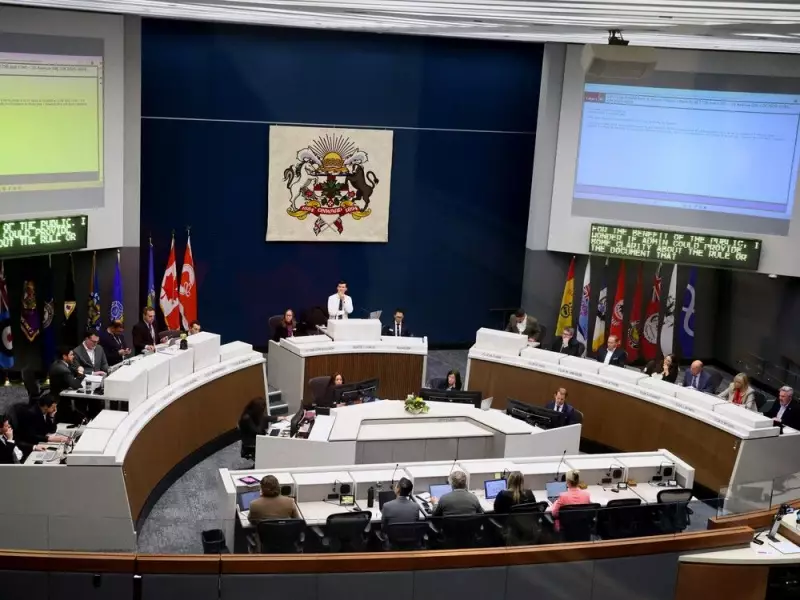
The council voted 11-4 on Monday to reallocate the first $50 million of the city's annual investment income to fund public safety measures. This proposal, introduced by Ward 6 Councillor John Pantazopoulos, amends the city's reserve policy on an ongoing basis. Mayor Jeromy Farkas championed the motion, framing it as a prudent use of reliable revenue to meet pressing needs without overburdening residents.
According to Mayor Farkas, this single amendment is slated to lower the overall property tax increase for next year from a proposed 3.6 per cent to 1.6 per cent. This calculation does not account for other amendments presented during the same session, which was part of the second week of intensive 2026 budget deliberations.

A "Balancing Act" With City Finances
Mayor Farkas defended the decision, highlighting the city's strong financial position. "The city for many years now has posted a very large surplus, largely driven by reliable, predictable investment income," he told reporters. He described the approach as cautious and conservative, arguing that tapping into this income stream allows for needed investments in community safety while maintaining fiscal responsibility.
"It's a balancing act," Farkas stated, "but given the balance sheet of the city, and given that the city regularly posts a very predictable return on our investment income, it's the prudent thing to do." Historically, surpluses from investment revenue flowed into municipal reserves, like the fiscal stability reserve, which council has used to fund one-time projects.
Projected Income and Opposition Concerns
The city's financial outlook supports this maneuver. Officials are projecting $253 million in investment income for the coming year, a notable 18 per cent increase over the $215 million budgeted for 2024. This optimism follows a strong performance in 2024, where the city's investments yielded a nine per cent return, growing the portfolio by $272 million and creating what was termed a "significant favourable variance."
Despite the comfortable margin, the motion faced opposition. The four councillors who voted against it criticized the plan as short-sighted, with some arguing it was akin to "mortgaging the future" by dedicating a recurring revenue stream to ongoing operational costs, potentially compromising long-term financial flexibility.
This amendment was one of 35 proposed by council members as they work to finalize the city's financial plan. The decision underscores the ongoing challenge municipalities face in balancing essential services, taxpayer affordability, and sustainable long-term budgeting.