Trump Predicts Escalating Conflict with Iran as Regional Tensions Intensify
In a recent interview with CNN, former U.S. President Donald Trump issued a stark warning about the ongoing conflict with Iran, stating that the "big wave" of military confrontation is still on the horizon. This declaration comes amid a significant escalation of hostilities across the Middle East, with multiple Arab states and U.S. military installations becoming targets, and Hezbollah launching attacks against Israel.
Widening Regional Conflict and International Response
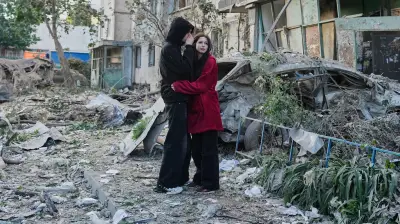
The situation has rapidly deteriorated, drawing in various actors and prompting international concern. Arab nations have reported strikes on their territories, while U.S. bases in the region have faced increased threats, underscoring the expanding scope of the conflict. Hezbollah's involvement, with direct attacks on Israel, adds another volatile layer to an already complex geopolitical landscape.
In response to these developments, global powers are maneuvering cautiously. France has announced it will allow the temporary deployment of nuclear-armed jets to allied nations, a move seen as bolstering deterrence. Meanwhile, Saudi Arabia has halted some operations at its massive Ras Tanura refinery, likely due to security concerns or disruptions in the region.

Political and Diplomatic Reactions
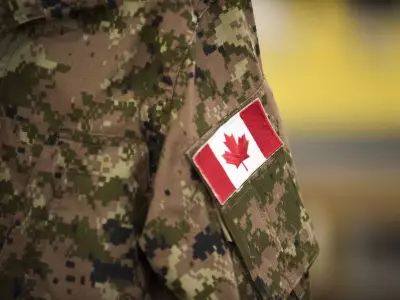
Canada has called for a diplomatic solution to the crisis, though it has not explicitly stated whether it views recent strikes as illegal, highlighting the delicate balance nations are trying to maintain. The conflict has also sparked rallies worldwide, including in Vancouver and Edmonton, where Iranian-Canadians and supporters gathered to call for democracy in Iran following the death of its supreme leader.
On the domestic front, Conservative MPs in Canada are pushing for a federal inquiry into the Tumbler Ridge tragedy, though details remain unclear. This political pressure reflects the broader anxieties surrounding international instability and its potential impacts.
Economic and Security Implications
The turmoil has already affected global markets, with oil and gas prices surging due to disruptions in Middle Eastern flows. This economic ripple effect underscores how regional conflicts can have far-reaching consequences. Additionally, cybersecurity has become a focal point, as hackers have targeted Iranian apps and websites in the wake of U.S.-Israeli strikes, indicating a digital front in the warfare.
Security measures are being heightened in various countries, including increased police patrols around places of worship and organizations in response to the attacks. These precautions highlight the global concern over potential spillover violence and the need for vigilance.
Broader Context and Future Outlook
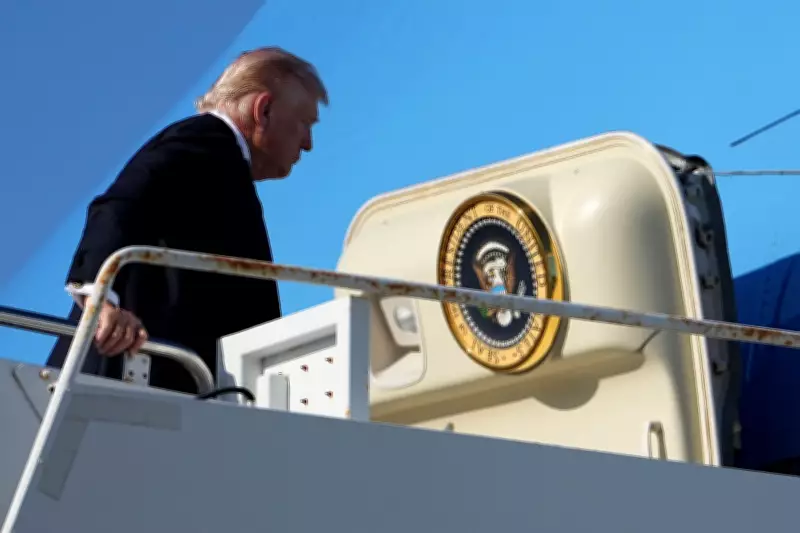
Trump's comments, made while boarding Air Force One at Palm Beach International Airport, emphasize his view that the current clashes are merely a precursor to more significant confrontations. His prediction aligns with the observed pattern of escalating attacks and the involvement of multiple state and non-state actors.
As the conflict widens, the international community faces mounting challenges in seeking a peaceful resolution. The targeting of Arab states and U.S. bases, coupled with Hezbollah's aggression, suggests a protracted struggle that could reshape regional alliances and global security dynamics. With diplomatic efforts underway but tensions running high, the prospect of Trump's "big wave" looms large, threatening further instability in an already volatile part of the world.