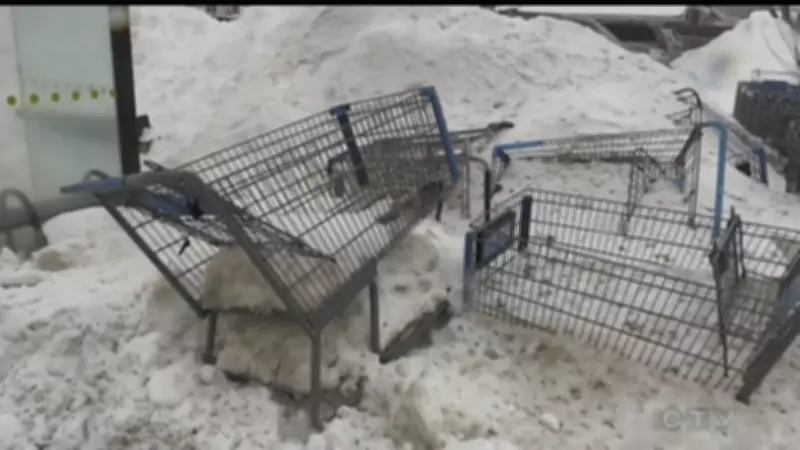
Brampton Imposes $100 Fee on Stores for Each Abandoned Shopping Cart Found
In a decisive move to tackle urban blight and promote environmental stewardship, the City of Brampton has rolled out a stringent new regulation targeting abandoned shopping carts. Effective immediately, retailers across the municipality will be charged a fee of $100 for every stray cart that city workers retrieve from public spaces.
Addressing a Persistent Urban Issue
Abandoned shopping carts have long been a visible nuisance in Brampton, often left scattered in parking lots, residential neighborhoods, and natural areas. These carts not only detract from the city's aesthetic appeal but also pose safety hazards and environmental concerns. The accumulation of metal and plastic waste contributes to litter problems and can obstruct pedestrian pathways and drainage systems.
The new fee structure is designed to hold businesses accountable for the proper management of their property. By imposing a financial penalty, the city aims to incentivize retailers to implement more effective cart retrieval systems and prevent carts from being removed from store premises in the first place.

How the Policy Works
Under the updated bylaw, municipal enforcement officers will be responsible for identifying and collecting abandoned carts. Each cart will be traced back to its originating store through identification tags or other markings. Once confirmed, the retailer will receive a notice of the $100 fee per cart, which must be paid to the city within a specified timeframe.
"This is not about generating revenue; it's about fostering a cleaner, safer community," explained a city spokesperson. "We believe that businesses have a shared responsibility in maintaining public spaces. This fee encourages them to take proactive steps, such as installing cart containment systems or increasing staff patrols in parking areas."
Expected Impacts and Retailer Responses
The policy is anticipated to significantly reduce the number of abandoned carts across Brampton. Similar initiatives in other municipalities have reported success, with some areas seeing a drop of over 50% in cart retrievals within the first year of implementation.
Local business associations have expressed mixed reactions. While some retailers acknowledge the need for action, others are concerned about the additional financial burden, particularly on smaller stores operating with thin margins. Discussions are underway about potential partnerships between the city and retailers to develop cost-effective solutions, such as shared cart corrals or community clean-up programs.
Broader Context and Future Steps
This measure aligns with Brampton's broader sustainability goals, which include reducing waste and enhancing urban livability. The city plans to monitor the policy's effectiveness closely and may adjust the fee structure or enforcement protocols based on initial outcomes.
Residents are encouraged to report abandoned carts through the city's dedicated hotline or mobile app. Public awareness campaigns will also be launched to educate shoppers on the importance of returning carts to designated areas and the negative impacts of abandonment.
As Brampton takes this firm stance, it joins a growing list of Canadian cities adopting similar measures to combat urban clutter and promote corporate accountability in public space management.