

Argentina's Congress Passes Milei's Glacier Law Reform Despite Environmental Outcry
In a decisive move that has ignited fierce debate, Argentina's legislative body has approved President Javier Milei's proposed bill to reform the nation's glacier protection law. The controversial legislation, which eases environmental safeguards for glacial regions, was passed on Wednesday, April 8, 2026, following intense parliamentary discussions.
Environmental Backlash and Public Protests
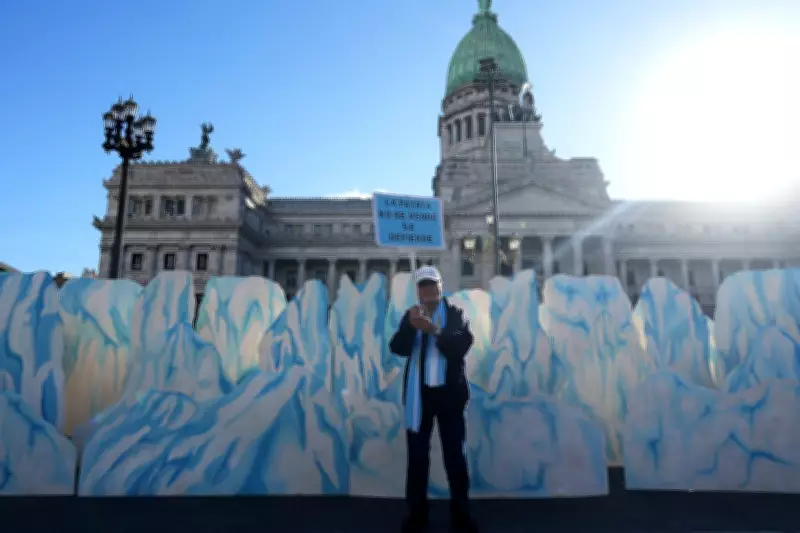
The approval process was met with significant opposition from environmental groups and activists, who gathered outside the Congress building in Buenos Aires to voice their dissent. Demonstrators held banners with messages such as "The homeland is not for sale, it's defended," reflecting deep-seated concerns over the potential ecological consequences of the reform.
Critics argue that the revised law could lead to increased industrial activity in sensitive glacial areas, threatening water resources and biodiversity. The backlash underscores a growing tension between economic development priorities and environmental conservation efforts in Argentina.

Details of the Legislative Reform
The newly passed bill modifies key provisions of the existing glacier protection framework, originally designed to preserve these critical natural formations. While specific amendments were not detailed in the initial report, the core change involves reducing regulatory hurdles for projects near glaciers, potentially benefiting sectors like mining and energy.
Supporters of the reform, including the Milei administration, contend that it will streamline bureaucratic processes and foster economic growth without compromising environmental integrity. They emphasize that the law includes measures to monitor and mitigate any adverse impacts on glacial ecosystems.
Broader Implications and Future Outlook
This legislative shift comes at a time when global attention on climate change and environmental protection is at an all-time high. Argentina's glaciers, part of the Andes mountain range, play a vital role in regional water cycles and are considered indicators of climate health.
- The reform could set a precedent for similar policy changes in other Latin American nations with glacial resources.
- Environmental organizations have vowed to challenge the law through legal avenues, potentially leading to prolonged court battles.
- International observers are closely monitoring the situation, given Argentina's commitments under global environmental agreements.
As the dust settles on the congressional vote, the focus now turns to implementation and enforcement. The Milei government faces the dual challenge of advancing its economic agenda while addressing the legitimate concerns of environmental advocates and the public.






