Ontario MPPs can now officiate civil weddings, thanks to a private member's bill that became law on March 1. Dave Smith, the Progressive Conservative MPP for Peterborough—Kawartha, has already performed his first wedding and received three more inquiries since then.
New Law Expands Options for Couples
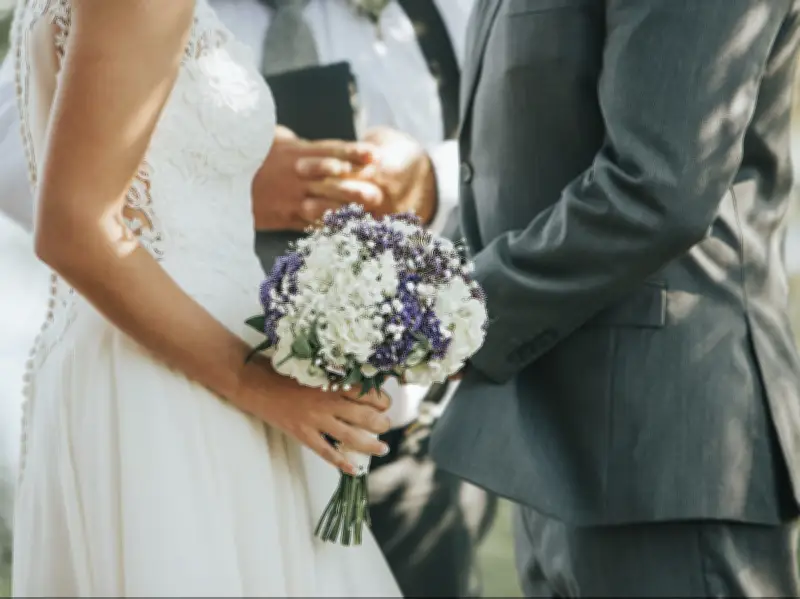
The bill, co-sponsored by Conservative MPPs Dave Smith and Matthew Rae, allows MPPs to conduct civil ceremonies as long as the couple has a valid marriage licence. This adds MPPs to the list of authorized officiants, which includes city clerks, Indigenous leaders approved by band council, justices of the peace, and judges.
Smith explained that the motivation came from constituents who found it challenging to arrange non-religious weddings. “If you don’t want a religious ceremony, you had to go down to city hall. And the pushback in my office was people didn’t want to get married at city hall. They still wanted to have a nice ceremony. And what do we do to help facilitate that?” he said.

Addressing Rural Access Issues
Another key concern was accessibility for rural residents. Smith noted that for someone living in Apsley, a drive to Peterborough can take an hour. The new law allows MPPs to officiate in more convenient locations, such as a rural property, which is where Smith conducted his first wedding.
MPPs must request authorization from the minister of public and business service delivery. Once granted, they can officiate weddings while in office and for 12 months after leaving office. Smith explained the rationale: “The reason behind the 12 months is if there’s a snap election or you’re expecting you’re going to win but you lose, but you’ve already arranged to do a wedding for someone, we didn’t want to put that person in a position where they were scrambling to find a new officiant.”
Non-Partisan and Volunteer Service
Smith emphasized that the service is non-partisan and offered on a volunteer basis, with no money exchanged. “It’s not partisan, any MPP can do it,” he said. “Ontario is the only one doing it so far. None of the other provinces have the elected officials doing it yet.”
MPPs must follow specific protocols during the ceremony. Smith outlined the required language: “You have to say you’re solemnizing the marriage. It’s not holy matrimony. And they have to demonstrate it’s their own free will, they’re not being coerced into it and we have to ask if there’s any legal reason that they know of that they shouldn’t be married.”
First Wedding and a Kilt-Free Request
Smith described his first officiating experience as positive. “It was actually really good. I sat down with the couple. They came with what they wanted for vows. We walked through how they would want to do it. I felt very honoured to be able to do that service for them.”
The couple had one special request: Smith could not wear his kilt. “They told me I couldn’t wear my kilt,” he said with a laugh. “I’m known in the area for wearing my kilt whenever I have the opportunity.”