Toronto Man Accused of Elaborate Airline Fraud Scheme
A former flight attendant from Toronto is facing serious legal consequences after allegedly orchestrating an elaborate scheme to obtain hundreds of free flights by impersonating airline crew members. Dallas Pokornik, 33, was arrested in Panama following his indictment on wire fraud charges in a Hawaii federal court in October 2025.
Four-Year Deception Uncovered
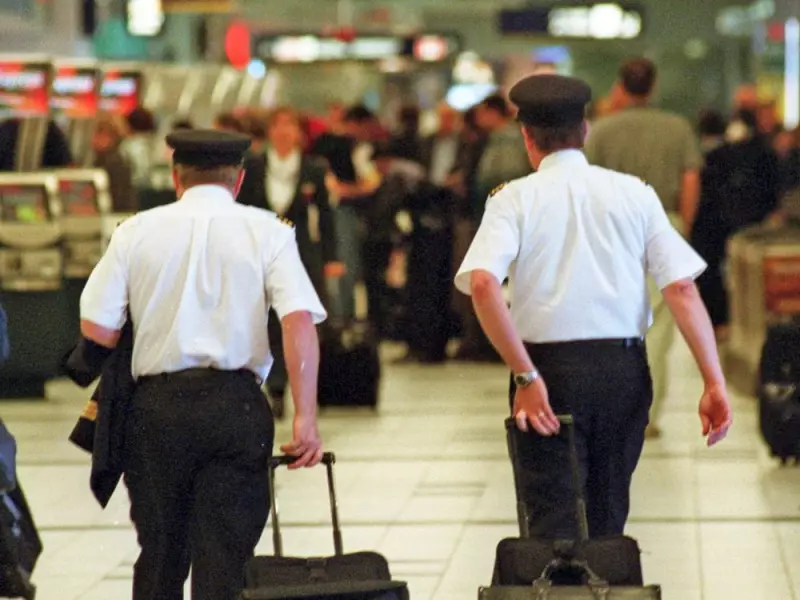
According to court documents, Pokornik worked as a flight attendant for a Toronto-based airline from 2017 to 2019. Following his employment, prosecutors allege he began using fake employee identification from that carrier to secure tickets reserved exclusively for pilots and flight attendants on three other major airlines.
The scheme reportedly continued for four years, during which Pokornik allegedly requested access to the "jump seat"—an extra seat in the cockpit typically reserved for off-duty pilots. While it remains unclear whether he actually occupied cockpit positions, the brazen nature of his requests has raised significant concerns about airline security protocols.

Legal Proceedings and Airline Responses
Pokornik pleaded not guilty on Tuesday following his extradition to the United States. A U.S. magistrate judge has ordered him to remain in custody as legal proceedings continue. His federal defender has declined to comment on the ongoing case.
The court documents did not identify the specific airlines involved, only noting they are based in Honolulu, Chicago, and Fort Worth, Texas. Representatives for Air Canada, Hawaiian Airlines, United Airlines, and American Airlines—which maintain headquarters in those cities—did not immediately respond to media inquiries about the allegations.
Hollywood Parallels and Industry Implications
In a striking case of life imitating art, the allegations against Pokornik bear remarkable similarity to the 2002 film "Catch Me If You Can," starring Leonardo DiCaprio as Frank Abagnale. The film, based on a semiautobiographical book, depicts a skilled con man who poses as various professionals—including a pilot—to defraud airlines and obtain free flights.
This case highlights ongoing vulnerabilities in airline employee verification systems and raises questions about how such deception could continue undetected for years. The aviation industry faces increasing scrutiny regarding security measures for both passengers and crew members.
As the legal process unfolds, this incident serves as a reminder of the sophisticated methods some individuals employ to exploit airline privileges. The outcome of this case could potentially influence future security protocols and employee verification processes across the aviation sector.