Understanding the Boundaries of Sleep-Tracking Technology
In an era where wearable devices promise to unlock the secrets of our nightly rest, experts are sounding a note of caution. While sleep-tracking gadgets from smartwatches to specialized rings have surged in popularity, their capabilities come with inherent limitations that consumers must recognize. These devices, often worn on the wrist or finger, utilize sensors like accelerometers and heart rate monitors to estimate sleep stages—light, deep, and REM—but they are not medical-grade tools.
The Science Behind the Sensors
Most consumer sleep trackers rely on actigraphy, which measures movement, and photoplethysmography (PPG), which uses light to detect blood flow changes. This data is then processed through algorithms to infer sleep patterns. However, these methods can struggle to distinguish between lying still while awake and actual sleep, leading to potential inaccuracies. For instance, a person reading in bed might be logged as sleeping, while brief awakenings during the night could go undetected.
Dr. Sarah Chen, a sleep researcher at a Canadian university, explains, "These devices are excellent for providing trends over time, such as changes in sleep duration or consistency. But they should not be used for diagnosing sleep disorders like insomnia or apnea, which require professional assessment." The algorithms vary by brand and are often proprietary, making it difficult to compare accuracy across different models.

Practical Advice for Users
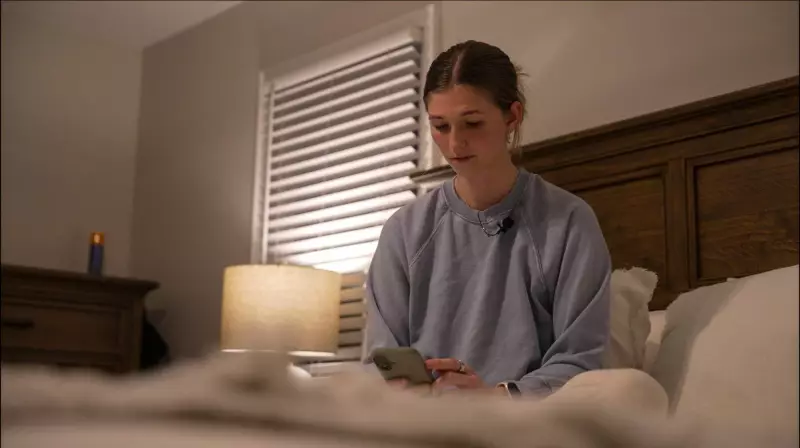
Experts recommend that users approach sleep-tracking data with a critical eye. Instead of fixating on nightly scores, focus on broader patterns over weeks or months. Look for correlations between lifestyle factors—like caffeine intake or screen time—and sleep quality. Kate Stoye, a middle school teacher from Hiram, Georgia, who regularly checks her sleep score, notes, "It's helpful for spotting trends, but I don't let a bad night's score stress me out. It's more about overall habits."
Key limitations to keep in mind include:
- Lack of Clinical Validation: Many devices have not undergone rigorous testing in diverse populations, potentially skewing results for certain age groups or health conditions.
- Environmental Interference: Factors like room temperature, noise, or device placement can affect sensor readings.
- Psychological Impact: Over-reliance on sleep scores may lead to anxiety or orthosomnia—an unhealthy obsession with perfect sleep data.
The Future of Sleep Monitoring
As technology advances, researchers are exploring more accurate methods, such as combining wearable data with environmental sensors or using machine learning to improve algorithms. In the meantime, experts emphasize that sleep trackers are best used as complementary tools. "They can motivate healthier habits, but they're not a substitute for professional medical advice," adds Dr. Chen. For those concerned about sleep issues, consulting a healthcare provider remains the gold standard.
By understanding the limits of these devices, consumers can make more informed decisions, using data to enhance well-being without falling prey to misleading metrics. As the market for sleep tech grows, awareness of its constraints becomes ever more crucial for achieving truly restful nights.