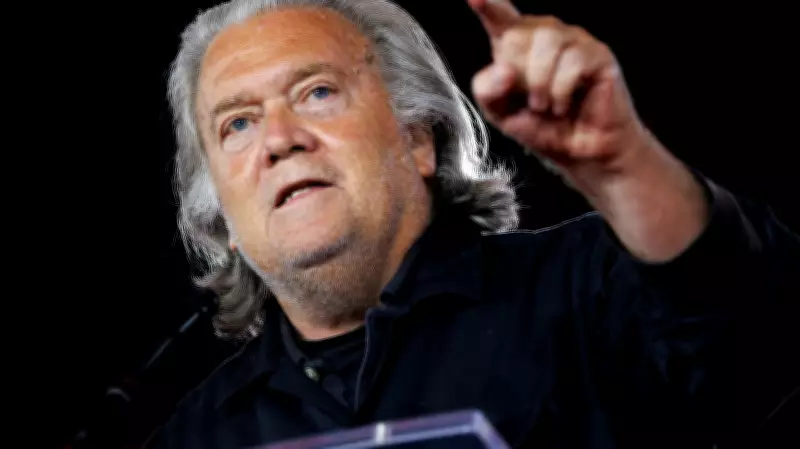
The Supreme Court has issued a ruling that paves the way for the dismissal of Steve Bannon's criminal conviction for defying a congressional subpoena related to the January 6, 2021, Capitol attack. This decision, prompted by the Trump administration, overturns a previous appellate court ruling that had upheld Bannon's conviction for contempt of Congress.
Legal Proceedings and Implications
On Monday, the justices threw out the appellate ruling, allowing a trial judge to act on a pending request from the Republican administration to dismiss Bannon's conviction and indictment in the interests of justice. This move is largely symbolic, as Bannon already served a four-month prison term after a jury convicted him in 2022. The federal appeals court in Washington had previously upheld this conviction, but the Supreme Court's intervention changes the legal landscape.
Background of the Case
The Justice Department initially brought the case against Bannon during President Joe Biden's administration. However, after Donald Trump returned to office last year, the department shifted its stance, leading to the current dismissal request. Bannon, a longtime ally of Trump, had argued that his testimony was protected by executive privilege, but the House committee and Justice Department contested this, noting that Trump had fired Bannon from the White House in 2017, making him a private citizen during the events leading up to the Capitol riot.

Separate Legal Issues
In a separate matter, Bannon has pleaded guilty in a New York state court to defrauding donors in a private effort to build a wall on the U.S. southern border. This plea deal allowed him to avoid jail time, and this conviction remains unaffected by the Supreme Court's recent action. The focus here remains solely on the congressional contempt charge.
The Supreme Court's order highlights ongoing political and legal tensions surrounding the Jan. 6 investigation, with implications for future cases involving executive privilege and congressional oversight. As the trial judge moves to dismiss the conviction, this case underscores the complex interplay between justice, politics, and symbolic legal actions in high-profile matters.