Sudan's Escalating Civil War Crosses Border into Chad, Resulting in Civilian Deaths
The brutal civil war ravaging Sudan has now spilled over into neighboring Chad, leading to the tragic deaths of civilians caught in the crossfire. According to a recent report from the international medical humanitarian organization Médecins Sans Frontières (MSF), the conflict's expansion across the border marks a dangerous escalation in regional instability.
Humanitarian Crisis Intensifies as Violence Spreads
MSF has documented multiple incidents where civilians in Chad have been killed or injured due to fighting originating from Sudan's internal conflict. The organization, which operates field hospitals and medical facilities in the region, reports that the situation is rapidly deteriorating as refugees continue to flee the violence in Sudan, only to encounter further danger in Chad.
The border regions between Sudan and Chad have become particularly volatile, with armed groups from Sudan conducting raids and attacks that directly impact Chadian communities. This cross-border violence threatens to destabilize an already fragile region that has been grappling with political tensions and humanitarian needs for years.

Refugee Influx Overwhelms Limited Resources
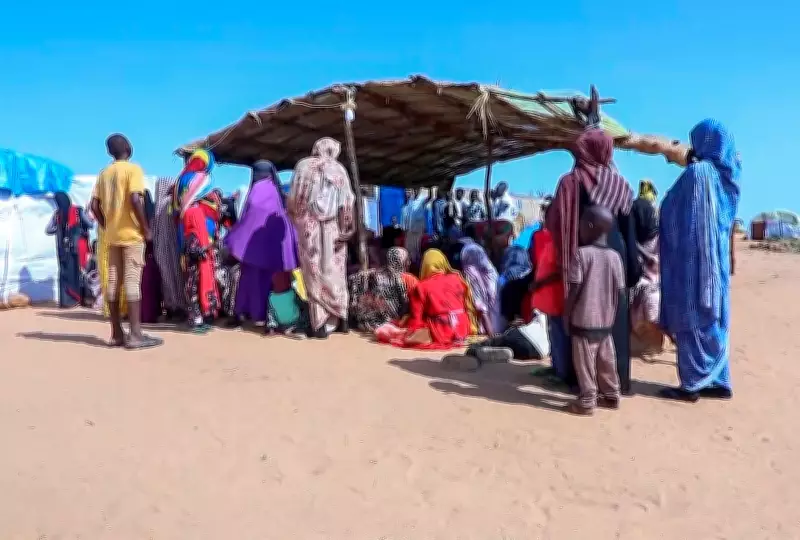
Chad has been hosting hundreds of thousands of Sudanese refugees since the civil war began, with many settling in makeshift camps along the border. The recent escalation of violence has prompted a new wave of displacement, further straining the limited resources available to both humanitarian organizations and local authorities.
"We are witnessing a tragic convergence of crises," explained an MSF field coordinator working in eastern Chad. "Not only are people fleeing violence in Sudan, but now the violence is following them into what should be safe havens. Our medical teams are treating patients with conflict-related injuries on both sides of the border."
Medical Facilities Stretched Beyond Capacity
The MSF report highlights how medical facilities in Chad are operating beyond their capacity, struggling to provide adequate care to both refugees and local populations affected by the spreading conflict. Field hospitals that were established to serve refugee camps are now treating victims of direct violence, including gunshot wounds and injuries from explosive devices.
Key challenges identified by MSF include:
- Insufficient medical supplies and personnel to handle the increasing caseload
- Security risks that prevent humanitarian workers from accessing certain areas
- Limited infrastructure in remote border regions where most refugees are concentrated
- Growing malnutrition and disease outbreaks in overcrowded refugee settlements
Regional Implications and International Response
The spillover of Sudan's civil war into Chad raises serious concerns about broader regional destabilization. Chad itself has experienced political instability in recent years, and the influx of weapons and combatants from Sudan could exacerbate existing tensions within the country.
International observers warn that without immediate intervention to contain the conflict, neighboring countries beyond Chad could also be affected. The Sahel region, already grappling with multiple security and humanitarian challenges, faces the prospect of a widening conflict zone that could displace millions more people.
MSF is calling for increased international attention and humanitarian support for the region, emphasizing that civilian protection must be prioritized in any diplomatic or military responses to the crisis. The organization continues to provide medical care in extremely challenging conditions while documenting the human cost of the expanding conflict.