Canadian Self-Defense Laws Face Intense Scrutiny Following Home Invasion Incident
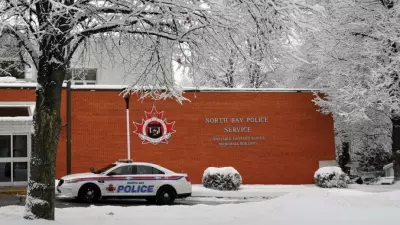
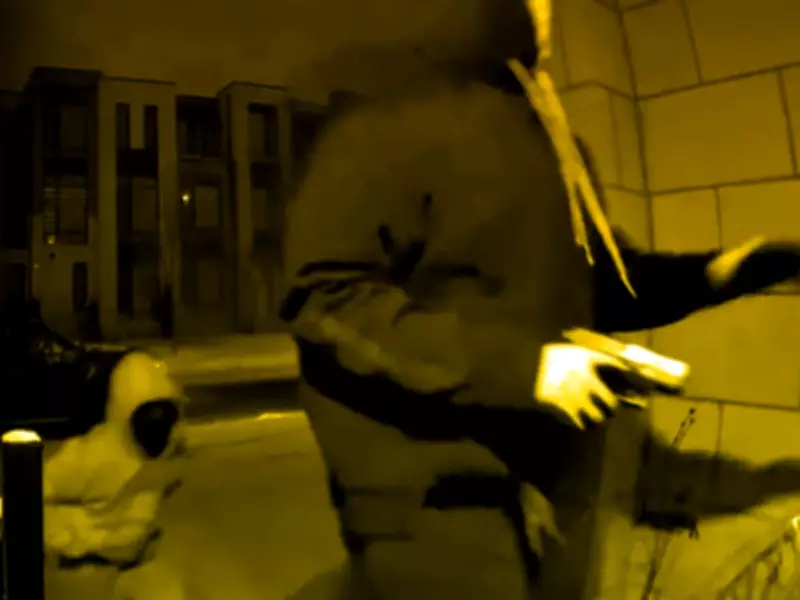
The ongoing debate surrounding self-defense legislation in Canada has been reignited with renewed intensity following a recent high-profile incident in Vaughan, Ontario. York Regional Police made the significant decision not to press charges against a homeowner who shot and wounded one of three armed, masked suspects who had allegedly forced entry into the man's residence. This development has sparked widespread discussion about the legal protections available to citizens defending their homes and families.
Political Figures Weigh In on Controversial Case
Ontario Premier Doug Ford publicly commented on the situation, offering "congratulations" to the homeowner for his actions. Ford stated emphatically, "I'm glad you shot the guy," highlighting the political dimension of this legal debate. This endorsement from a prominent political leader adds considerable weight to calls for examining and potentially reforming current self-defense statutes across the nation.
Pattern of Legal Challenges for Homeowners
This incident follows closely on the heels of another notable case in Lindsay, Ontario, where police recently dropped charges against a homeowner involved in a high-profile home invasion that occurred last August. These consecutive developments suggest a potential shift in how law enforcement and the justice system are approaching cases where citizens use force to protect their property and personal safety.

Conservative Party Pushes for Legislative Changes
The federal Conservative Party has been actively advocating for legislative amendments designed to provide stronger protections for homeowners facing similar situations. This political push coincides with growing public concern about whether current laws adequately safeguard citizens' rights to defend themselves and their properties against violent intruders.
Legal Expert Provides Critical Analysis
Criminal defense and firearms attorney Ian Runkle, known for his "Runkle of the Bailey" YouTube channel, has emerged as a prominent voice in this discussion. Runkle emphasizes the complex legal landscape surrounding self-defense in Canada, noting that while recent cases might suggest a changing tide, significant legal ambiguities remain that can leave homeowners vulnerable to prosecution even when acting in genuine self-defense.
The core challenge, according to legal analysts, revolves around the interpretation of what constitutes "reasonable force" in stressful, life-threatening situations. Current Canadian law requires that any defensive action be proportional to the threat faced, but determining proportionality during violent home invasions presents considerable difficulties for both citizens and law enforcement.
Police Response Variability Creates Uncertainty
Critics of the current system point to inconsistent police responses across different jurisdictions as a significant problem. Some homeowners find themselves facing serious criminal charges after defending their properties, while others, like the Vaughan case, avoid legal consequences entirely. This inconsistency creates uncertainty about citizens' rights and responsibilities when confronted with home invasions.
The fundamental question at the heart of this debate is whether Canadian law adequately balances the rights of homeowners to protect themselves with broader societal interests in limiting violent confrontations. As cases continue to emerge and political pressure mounts, many legal observers anticipate that this issue will remain at the forefront of criminal justice discussions in the coming months.
With multiple high-profile incidents now drawing public attention and political commentary, the conversation about self-defense rights in Canada appears to be entering a new phase of intensity. Whether this will translate into concrete legislative changes remains uncertain, but the debate has undoubtedly gained significant momentum that shows no signs of diminishing.