

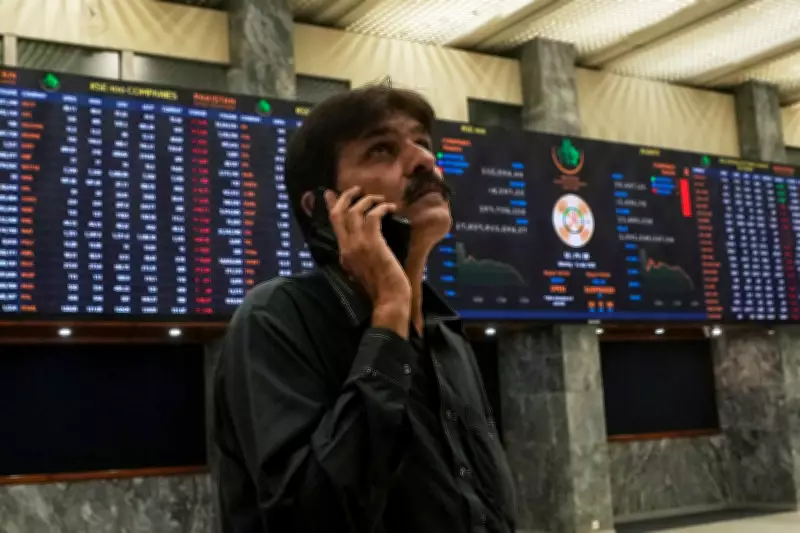
Investor Optimism Fades as Middle East Conflict Extends, Sparking Market Sell-Off
In a significant shift in market dynamics, initial hopes for a swift resolution to the ongoing Middle East conflict have given way to widespread selling, as investors brace for a prolonged war. The escalating tensions, particularly involving Iran, have triggered a decline in global shares, reflecting growing economic anxieties and a reassessment of risk across financial portfolios.
Market Reactions to Geopolitical Uncertainty
Recent developments indicate that investor sentiment has soured rapidly, with key indices experiencing downward pressure. This sell-off is driven by fears that the conflict could disrupt global energy supplies and exacerbate inflationary pressures, posing a "major, major threat" to the world economy, as noted by the head of the International Energy Agency. The situation has been further complicated by political statements, including those from former U.S. President Donald Trump, which have dimmed hopes for a near-term diplomatic resolution.
The impact is not limited to energy markets; broader equity markets are feeling the strain as uncertainty mounts. Analysts report that the prolonged nature of the war is prompting investors to shift towards safer assets, leading to volatility in sectors ranging from technology to manufacturing. This trend underscores the interconnectedness of geopolitical events and global financial stability.

Broader Economic Implications
Beyond immediate market reactions, the extended conflict raises concerns about long-term economic repercussions. Disruptions in trade routes and potential spikes in oil prices could hinder growth prospects, particularly in regions dependent on stable energy imports. Business leaders are already adjusting their strategies, with notable figures like the Saudi Aramco boss pulling out of major energy conferences due to the Iran conflict, signaling heightened caution in corporate circles.
Investors are closely monitoring indicators such as corporate earnings and economic data for signs of strain. The sell-off reflects a broader realization that the Middle East situation may not be resolved quickly, necessitating a more defensive investment approach. This shift is evident in the increased demand for bonds and other low-risk instruments, as market participants seek to mitigate potential losses.
Looking Ahead: Navigating Market Volatility
As the conflict persists, financial experts advise a cautious outlook. Key factors to watch include:
- Diplomatic efforts and potential ceasefire talks
- Fluctuations in oil and commodity prices
- Central bank responses to inflationary pressures
- Corporate guidance on earnings and supply chain impacts
The current environment highlights the importance of diversification and risk management in investment portfolios. While markets may experience short-term fluctuations, a focus on fundamentals and long-term trends can help investors navigate the uncertainty. However, with no clear end in sight to the Middle East war, the prevailing mood among investors remains one of apprehension, likely sustaining market volatility in the coming weeks.






