On her second attempt to secure an indictment against a group of protesters known as the 'Broadview Six,' Assistant U.S. Attorney Sheri Mecklenburg removed a grand juror who described the case as a 'crock of shit,' according to grand jury transcripts released on Tuesday.
Background of the Case
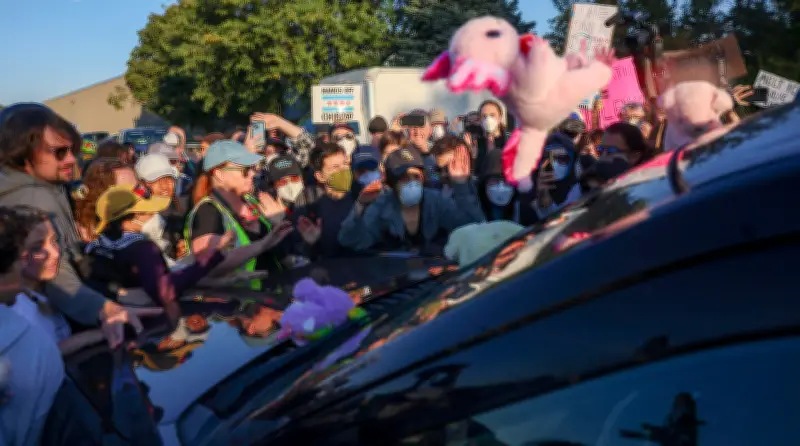
Prosecutors pursued charges against the group, which included Democratic congressional candidate Kat Abughazaleh, for allegedly blocking an Immigration and Customs Enforcement vehicle outside the Broadview detention center during an immigration crackdown in Chicago in late September last year. On the third attempt, they secured felony conspiracy charges against all six defendants, along with misdemeanor counts of impeding a federal agent.
Collapse of the Case
The case quickly unraveled. Earlier this year, prosecutors dismissed two defendants and dropped all felony charges, leaving only misdemeanors. It collapsed entirely last month after U.S. District Judge April Perry criticized prosecutors for improperly influencing grand jurors and removing those who disagreed with their case. 'I have read hundreds, if not thousands, of grand jury transcripts involving prosecutors who are the most junior to several U.S. attorneys. I have never seen the types of prosecutorial behavior before a grand jury that I saw in those transcripts,' Perry said.

Grand Jury Transcript Details
The transcripts, released to the public on Tuesday, reveal the extreme lengths prosecutors went to indict the Broadview Six, even after grand jurors repeatedly expressed skepticism. After failing to obtain indictments on their first try, prosecutors returned a week later, prompting a grand juror to ask if they had 'unlimited tries.' 'Like you keep coming back as many times as you want?' the grand juror asked. 'Well, I don't think we have to worry about that. I think we're going to be just fine,' Mecklenburg responded. 'I think the saying is the second time is the charm,' Assistant U.S. Attorney Matthew Skiba added. 'I hope you don't have your mind made up already that I'm going to need more tries,' Mecklenburg said.
When a grand juror asked if prosecutors were 'actually presenting any new facts or just a different viewpoint on your side,' Mecklenburg said she was 'feeling the skepticism already.' 'Are you going to be able to listen with an open mind? Tell me the truth,' the prosecutor said. 'I — no,' the grand juror responded. 'OK. Then you have to go,' Mecklenburg said. 'I heard this case like last week and I thought it was a crock of shit then and I still think it is,' the grand juror said before being excused.
Subsequent Attempts
The second attempt failed even with the removal of the critical grand juror, as the panel did not return an indictment. Prosecutors returned the following week. This time, U.S. Attorney Andrew Boutros made an unusual statement, urging anyone who 'cannot set aside their personal feelings' on immigration cases to raise their hands, according to a report summarizing his remarks. During that third session, Mecklenburg acknowledged improperly speaking to two grand jurors outside of official proceedings. Eventually, grand jurors returned a true bill and charged all six defendants.
Broader Context
The Broadview Six case is part of a pattern by the Trump Department of Justice of pursuing aggressive felony charges against people who oppose its mass deportation and detention agenda. Although jurors have repeatedly declined to convict when these cases go to trial, the experience of being prosecuted causes tremendous physical, emotional, and financial stress. Collectively, the members of the Broadview Six owe more than $1 million in legal fees, Abughazaleh told the Guardian. 'That's not a happy ending, it's just an ending. It's not justice, but it is a win,' she said.