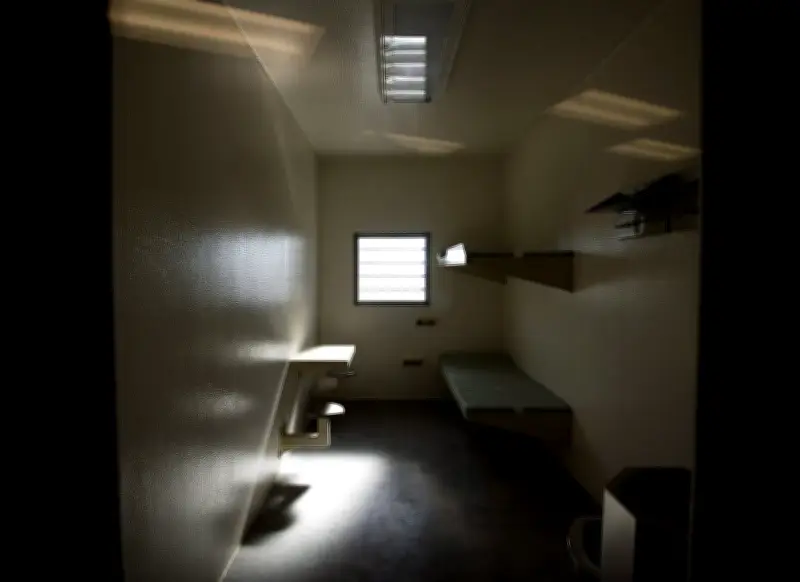
Ontario jail guards are asking for government assistance following a coroner's report that highlights a surge in inmate suicides within the province's correctional facilities. The report, released on June 30, 2026, details multiple deaths and calls for systemic changes to prevent further tragedies.
Coroner's findings reveal alarming trends
The coroner's investigation examined suicides at several Ontario jails, including the Toronto South Detention Centre, over the past two years. According to the report, there were 15 inmate suicides in 2025, a 50% increase from the previous year. The report identifies overcrowding, inadequate mental health services, and understaffing as key contributing factors.
"We are seeing a crisis that demands immediate attention," said Dr. Sarah Mitchell, the regional coroner who led the review. "The current system is failing vulnerable inmates, and we must act to save lives."

Guards demand urgent reforms
In response, the Ontario Public Service Employees Union (OPSEU), which represents jail guards, issued a statement urging the provincial government to implement the report's recommendations. These include hiring more mental health professionals, reducing inmate populations, and improving suicide prevention training for staff.
"Our members are on the front lines every day, and they are overwhelmed," said OPSEU president Thomas Smith. "We need the government to prioritize this issue before more lives are lost."
Government response and next steps
Ontario's Ministry of the Solicitor General acknowledged the report and pledged to review its findings. In a press release, Minister Karen Lee said, "We take these deaths seriously and are committed to working with stakeholders to enhance safety and well-being in our correctional facilities." However, no specific timeline or funding commitments were announced.
Advocacy groups have also weighed in, calling for independent oversight of jail conditions. The Canadian Civil Liberties Association noted that suicide rates in Ontario jails have been climbing for years, with marginalized populations disproportionately affected.