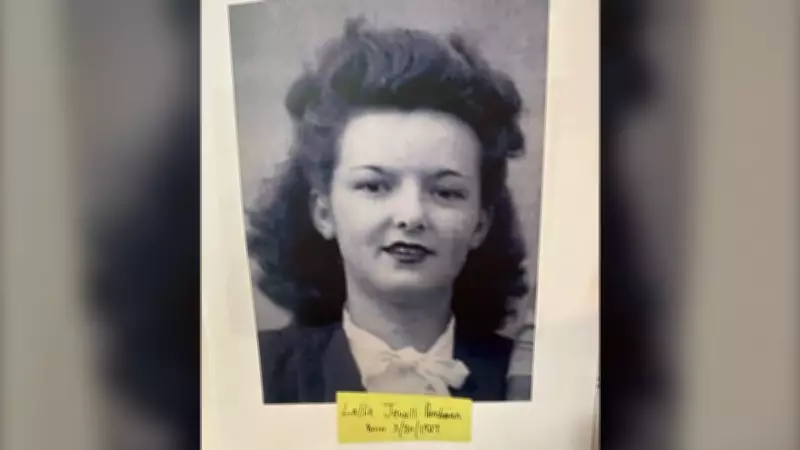
A significant development has emerged in one of Canada's most enduring cold cases. The accused individual in the 'Nation River Lady' homicide investigation has been declared mentally unfit to proceed to trial by a judicial authority. This ruling represents a pivotal moment in a case that has remained unresolved for nearly five decades, casting a long shadow over the Canadian justice system.
Historical Context of the Case
The 'Nation River Lady' case dates back to 1975, when the body of Jewell Parchman Langford was discovered in the Nation River near Casselman, Ontario. For years, the identity of the victim remained a mystery, frustrating investigators and haunting the local community. It was not until 2020, through advanced forensic genetic genealogy techniques, that authorities were finally able to positively identify the remains as those of Langford, a Tennessee native who had been living in Montreal at the time of her disappearance.
Recent Legal Proceedings
Following the identification, law enforcement agencies intensified their investigation, leading to an arrest in 2025. The suspect, whose name has been withheld due to publication bans, was formally charged with first-degree murder. However, the path to justice has encountered a substantial obstacle. A recent psychiatric assessment, ordered by the court, concluded that the accused lacks the mental capacity to understand the legal proceedings or to instruct counsel effectively.

This finding of unfitness halts the criminal trial process indefinitely. Under Canadian law, when an accused is found unfit, the court must order their detention in a psychiatric facility or another appropriate setting. The individual will receive treatment with the goal of eventually becoming fit to stand trial, a process that can take months or even years, depending on their condition and response to medical intervention.
Impact on the Victim's Family and Community
For the family of Jewell Parchman Langford, this development is likely a source of profound frustration and renewed grief. After waiting nearly fifty years for answers and the prospect of closure through a trial, they now face further uncertainty. Community advocates and legal experts have expressed concern over the emotional toll such delays impose on victims' families, emphasizing the need for a justice system that balances legal protections for the accused with the rights of victims to a timely resolution.
Broader Implications for Cold Case Investigations
The 'Nation River Lady' case underscores both the potential and the challenges of modern cold case investigations. While technological advancements like DNA analysis and genetic genealogy can breathe new life into dormant files, legal and procedural hurdles can still impede the path to a verdict. This case highlights the complex interplay between forensic science, mental health law, and criminal justice, serving as a poignant reminder that solving a crime is only one step in a much longer journey toward judicial resolution.
Authorities have indicated that the investigation into Langford's death remains active, and they continue to seek any additional information that could shed light on the circumstances surrounding her murder. The public is urged to come forward with any relevant details, no matter how insignificant they may seem.