

Mexican Government Report Sparks Hope and Controversy Over Missing Persons
In a development that has ignited both cautious optimism and fierce criticism, Mexican authorities have released a startling estimate suggesting that approximately one-third of the country's 130,000 officially missing individuals might still be alive. This revelation, emerging from recent government analyses, has profoundly impacted families who have long been searching for their loved ones amidst Mexico's pervasive violence and instability.
Families Voice Frustration Over Official Statements
The announcement has been met with significant skepticism and anger from relatives of the disappeared, who argue that such estimates are insufficient without concrete action. Advocacy groups, including the prominent Guerreros Buscadores (Search Warriors), have condemned the statement as a political maneuver that fails to address the urgent need for thorough investigations and accountability.
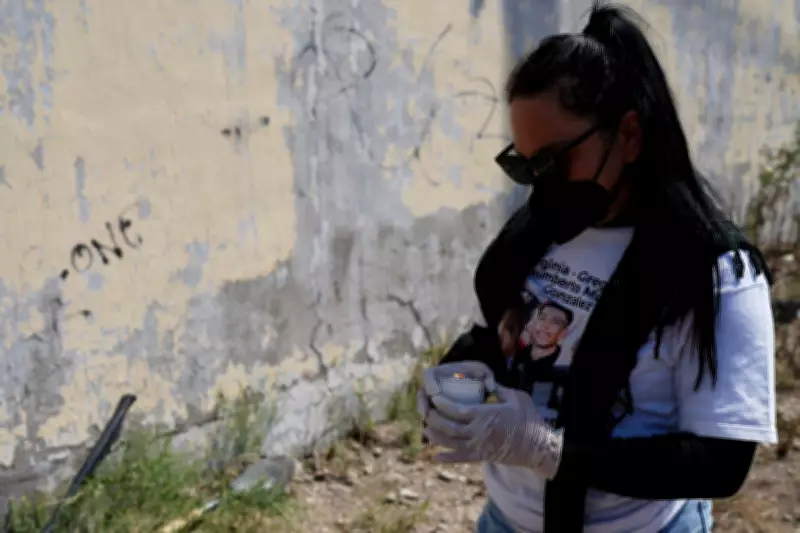
"This figure offers little comfort when we are still digging for bones in the fields," said one family member, reflecting the sentiment of many who continue to conduct grassroots searches. Recent activities, such as the discovery of skeletal remains in Tlajomulco de Zuniga on the outskirts of Guadalajara in late March 2026, underscore the grim reality faced by these communities.

Ongoing Search Efforts Highlight Systemic Challenges
The situation in Guadalajara exemplifies the broader crisis. Volunteers and family members, often working with minimal state support, brave dangerous conditions to locate missing persons. The lighting of candles at discovery sites has become a somber ritual, symbolizing both remembrance and the relentless pursuit of truth.
Critics point to systemic issues hindering progress:
- Inadequate funding for forensic investigations
- Bureaucratic delays in processing cases
- Lack of coordination between federal and local authorities
- Persistent threats against activists and searchers
These challenges have led to accusations that the government is more focused on managing public perception than implementing effective solutions. The estimate of 43,000 potential survivors, while highlighting a glimmer of hope, has thus intensified demands for transparent and accelerated action.
International Attention and Human Rights Concerns
The missing persons crisis in Mexico has drawn international scrutiny, with human rights organizations calling for enhanced protections and support for affected families. The combination of drug-related violence, political corruption, and social inequality has created an environment where disappearances remain tragically common.
As families continue their arduous searches, the government's latest assessment serves as a poignant reminder of the unresolved trauma facing countless Mexicans. The path forward requires not only accurate data but also a committed, compassionate response to restore trust and deliver justice.






