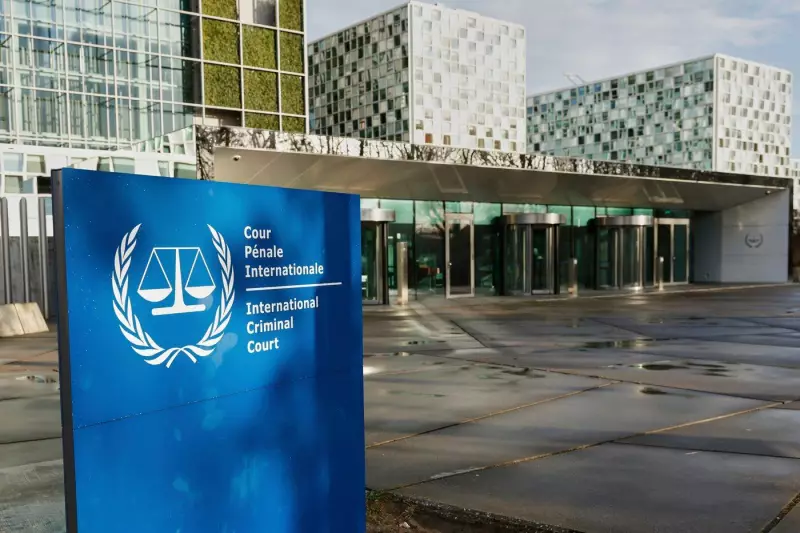
A Libyan man accused of committing grave international crimes, including murder, rape, and torture, has made his first appearance before the International Criminal Court (ICC). The hearing marks a significant step in a case that underscores the global court's mandate to prosecute the most serious offenses under international law.
Initial Appearance at The Hague
The accused appeared before judges at the ICC's headquarters in The Hague, Netherlands. The court, established to try individuals for genocide, crimes against humanity, war crimes, and the crime of aggression, confirmed the appearance date as December 03, 2025. The proceedings are a formal step to ensure the defendant understands the charges against him and to address matters related to his detention and legal representation.
The Charges and the Court's Role
The specific allegations involve acts of murder, rape, and torture, which are classified as crimes against humanity or war crimes under the Rome Statute, the treaty that founded the ICC. While the detailed charges from the prosecutor's office are yet to be fully disclosed in public reports, such accusations typically relate to systematic or widespread attacks against civilian populations.

The ICC, which began its work in 2002, operates as a court of last resort, intervening when national judicial systems are unwilling or unable to prosecute these severe crimes. The case against the Libyan national falls within the court's jurisdiction, which can be triggered by a referral from the United Nations Security Council or by a member state.
Context and Next Steps
This appearance follows the court's continued engagement with situations in Libya, where instability and conflict have persisted for years. The ICC's Pre-Trial Chamber will now oversee the preliminary phases of the case. This includes confirming the charges, which is a critical stage where judges evaluate the prosecutor's evidence to determine if there is sufficient ground to proceed to a full trial.
The path forward involves meticulous legal procedures to uphold the rights of the accused while seeking accountability for the victims. The international community will be watching closely as the court navigates this complex prosecution, which serves as a stark reminder of the pursuit of justice for atrocities committed during conflict.