Legal Expert Dismisses DOJ's Subpoena Defense as 'Bogus' in Epstein Files Inquiry
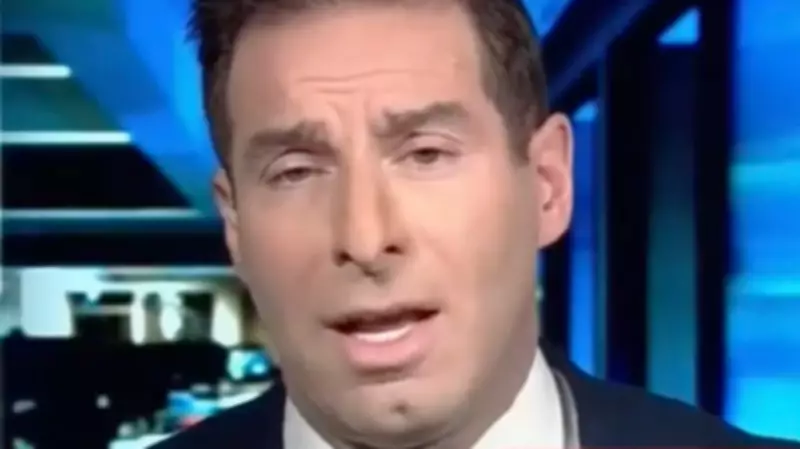
CNN senior legal analyst Elie Honig has forcefully rejected what he termed a 'bogus' argument from the Department of Justice regarding former Attorney General Pam Bondi's subpoena compliance. The controversy centers on Bondi's scheduled questioning about how the DOJ handled the release of Jeffrey Epstein-related files.
DOJ's Questionable Legal Position
Honig appeared on 'The Source' after guest host John King revealed a letter from Assistant Attorney General Patrick D. Davis obtained by CNN. Davis claimed Bondi would not sit for questioning next week because she was subpoenaed 'in her official role' and 'not in a personal capacity.' When asked if this reasoning held legal water, Honig responded unequivocally: 'No, that's a bogus argument, John.'
The legal analyst explained that a subpoena commands a witness to provide relevant information they possess. 'As we sit here right now, former Attorney General Pam Bondi has the exact same information that she had a week ago when she was still the sitting AG,' Honig noted, highlighting the logical flaw in the DOJ's position.

Three Critical Flaws in DOJ's Argument
Honig systematically dismantled the Department of Justice's position with three key points:
- The subpoena names Pam Bondi specifically, not the current office holder. 'Now, DOJ has come up with this distinction of, 'Well, she's not the AG anymore, therefore the subpoena's invalid,'' Honig observed. 'First of all, the subpoena is to Pam Bondi. It's not to the current occupant of the office.'
- If the subpoena truly applied to whoever currently holds the Attorney General position, the DOJ would be offering acting Attorney General Todd Blanche for questioning instead, which they are not doing.
- The House Oversight Committee has previously subpoenaed several former Attorneys General, including Eric Holder, Bill Barr, and Merrick Garland, establishing precedent for such actions.
Honig emphasized that the subpoena 'remains valid' despite the DOJ's claims, though he acknowledged potential complications in enforcement.
Potential Contempt Proceedings and Political Dynamics
The legal analyst detailed the challenging path to holding Bondi in contempt if she fails to appear. Ranking Oversight Committee member Rep. Robert Garcia (D-Calif.) has stated he would pursue contempt charges, but the committee's 21 Democrats would need support from three of 26 Republican members to achieve a majority vote.
'Rep. Nancy Mace (R-S.C.) currently appears to be the only one who would join them,' Honig noted, highlighting the political hurdles. Even if the committee voted for contempt and the full House approved it, the matter would then go to the DOJ for potential prosecution—a scenario Honig finds unlikely given current leadership.
'I am quite certain that Todd Blanche will not authorize a prosecution of Pam Bondi,' Honig predicted. However, he added a pointed observation: 'But it's worth saying, for a DOJ, Pam Bondi and Todd Blanche alike—who love to congratulate themselves for being the most transparent in history—that would be a bad look to take a contempt charge from the Oversight Committee or the full House.'
Broader Implications and Scheduled Appearance
The DOJ's argument appears particularly problematic when considering its potential consequences. Any government official subpoenaed by the House Oversight Committee could theoretically avoid compliance by simply leaving their position before questioning occurs—a loophole that would undermine congressional oversight authority.
Bondi is expected to appear for questioning on April 14, though the legal wrangling continues. The case represents a significant test of congressional subpoena power versus executive branch resistance, with implications extending far beyond the specific questions about Epstein files handling.