Buffalo-Area Man Concludes Legal Struggle Over Confiscated 12-Foot Alligator
A man from the Buffalo region of New York has officially terminated his fight to regain possession of Albert, his massive 12-foot alligator that was seized by state officials in 2024. The alligator, named Albert, was taken by the New York Department of Environmental Conservation (DEC) after concerns arose regarding public safety and potential permit violations. This case highlights the ongoing tensions between exotic pet owners and wildlife regulatory bodies.
Details of the Seizure and Legal Proceedings
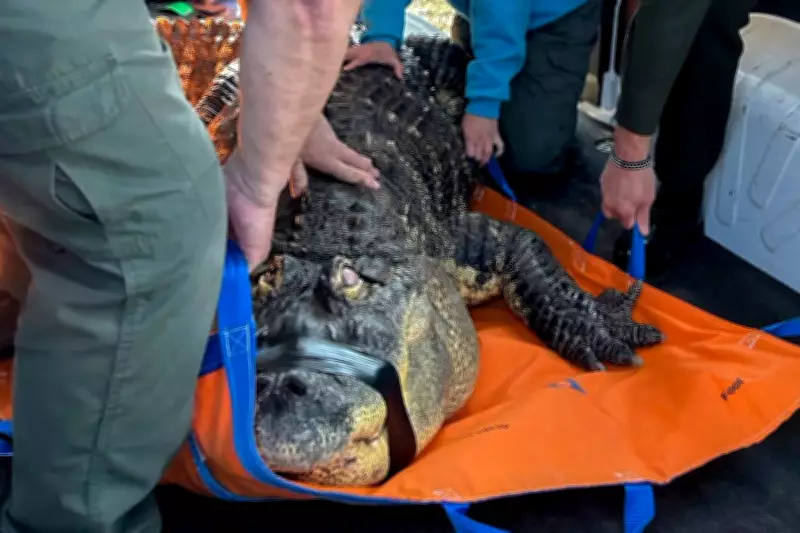
The New York DEC confiscated the alligator in March 2024 from a property in Hamburg, New York. Officers secured the 11-foot reptile, as documented in a photo provided by the department, for transport to a safer location. The owner had been engaged in a prolonged legal battle to reclaim Albert, arguing that the alligator was well-cared for and posed no threat. However, authorities maintained that keeping such a large predator without proper permits and in a residential area violated state wildlife regulations designed to protect both the animal and the community.
The decision to end the fight marks a significant turning point in this unusual case. It underscores the challenges faced by individuals who keep exotic animals as pets, particularly when those animals grow to sizes that exceed typical domestic capabilities. The DEC has strict guidelines for housing dangerous wildlife, and failures to comply often result in seizures to prevent potential harm or escapes.

Broader Implications for Exotic Pet Ownership
This incident sheds light on the broader issues surrounding exotic pet ownership in the United States. Many states, including New York, have enacted laws to regulate or prohibit the possession of large reptiles and other dangerous animals. These regulations aim to balance personal freedoms with public safety and animal welfare concerns. In this instance, the alligator's size and the owner's inability to meet regulatory standards led to its removal.
Experts note that alligators, while sometimes kept as pets, require specialized care and environments that are difficult to replicate in residential settings. They can live for decades and grow rapidly, often outgrowing their enclosures and becoming unmanageable for owners. The DEC's action reflects a proactive approach to mitigating risks associated with such animals, ensuring they are placed in appropriate facilities where their needs can be met without endangering humans.
The case also serves as a cautionary tale for prospective exotic pet owners. It emphasizes the importance of understanding and adhering to local wildlife laws before acquiring animals that may later become subject to seizure. As communities grapple with similar issues nationwide, this story reinforces the need for clear regulations and enforcement to protect both people and animals from harm.