Four Toronto Police Officers Face Unpaid Suspension in Rare Corruption Investigation
In a significant development within the Toronto Police Service, four officers are potentially facing suspension without pay as part of an ongoing corruption probe. This move is notably uncommon in police disciplinary proceedings, underscoring the seriousness of the allegations under scrutiny.
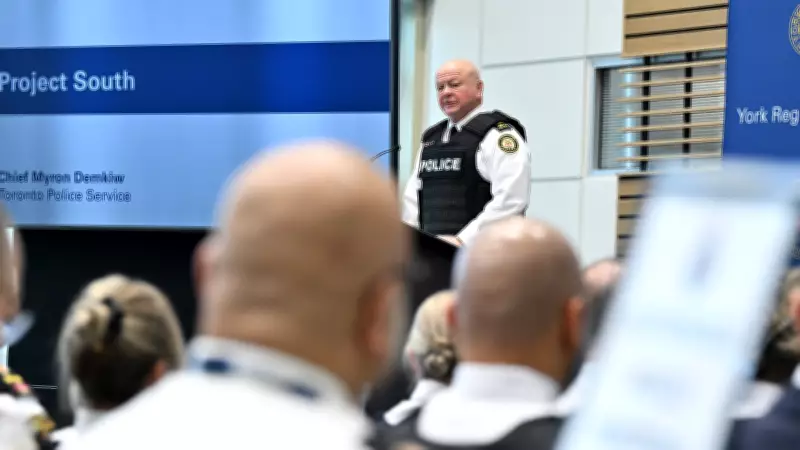
Toronto Police Chief Myron Demkiw has publicly committed to a comprehensive investigation, stating emphatically that 'no stone will be left unturned' in addressing the claims of misconduct. The investigation centers on allegations of corruption involving several officers, though specific details of the accusations have not been fully disclosed to the public at this stage.
Why Unpaid Suspensions Are Exceptionally Rare in Police Cases
The prospect of suspending officers without pay is a rare occurrence in Canadian policing, typically reserved for the most severe allegations where public trust is critically undermined. Such measures are governed by strict legal and contractual frameworks, including police union agreements and provincial regulations, which generally protect officers' salaries during investigations unless exceptional circumstances warrant otherwise.

Factors that might lead to unpaid suspensions include:
- Evidence of criminal activity or serious breaches of conduct
- Immediate risks to public safety or police integrity
- Substantial allegations that could result in criminal charges or dismissal
This case highlights the balancing act police services must perform between ensuring accountability and upholding due process for officers under investigation.
Context and Implications for Toronto Police Service
The investigation comes at a time when police transparency and accountability are under increased public scrutiny across Canada. Chief Demkiw's strong stance reflects a commitment to maintaining public confidence in the Toronto Police Service, which serves one of the country's largest and most diverse urban populations.
While the investigation proceeds, the Toronto Police Service continues its regular operations, including recent incidents such as the identification of a 16-year-old boy shot and killed inside a Scarborough Tim Hortons. However, the corruption probe represents a distinct internal matter that could have lasting implications for police discipline protocols and community relations.
As the situation develops, legal experts note that unpaid suspensions, if implemented, would signal a significant escalation in police disciplinary actions, potentially setting precedents for how similar cases are handled in the future across Canadian law enforcement agencies.