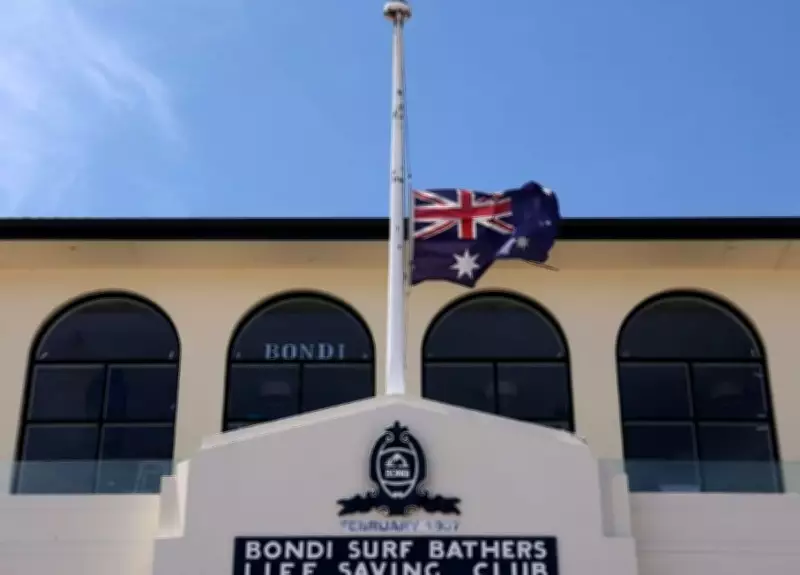
Naveed Akram, the surviving accused perpetrator of the deadly Bondi Beach shooting, made his first public court appearance via video link on Monday, facing a litany of serious charges in one of Australia's most devastating criminal cases in recent history.
Court Appearance and Charges
Akram appeared briefly in a Sydney court for approximately five minutes, connected from prison through a video link. He has been formally charged with terrorism offenses, fifteen counts of murder, dozens of counts of causing wounds with intent to kill, and planting explosions related to the December 14 attack at Bondi Beach.
The hearing focused primarily on procedural matters, including discussions about extending suppression orders to protect the identification of certain victims. According to local media reports, Akram wore a green jersey during the session and spoke only once, uttering the word "yeah" when asked by the judge if he had understood the discussion about the suppression orders.

Details of the Attack
The attack targeted a Hanukkah celebration on December 14, resulting in one of the deadliest mass shootings in Australian history. Akram's father, Sajid, who allegedly participated in the assault, was shot and killed by police during the incident. The victims included an 87-year-old Holocaust survivor, a couple who confronted one of the gunmen, and a 10-year-old girl named Matilda, who was described at her funeral as a "ray of sunshine."
Legal Proceedings and Conditions
Outside the court, Akram's lawyer, Ben Archbold, told reporters that his client is being held under "very onerous conditions" in custody. Archbold also indicated that it is too early to determine whether Akram will enter a guilty plea. The next court appearance is scheduled for March 9, where further evidence and timelines will be addressed.
National Impact and Investigations
The shooting has triggered widespread national soul-searching in Australia, with intense debates emerging about antisemitism, the protection of Jewish communities, and calls for stricter gun control laws. Families of the victims have demanded a national inquiry, putting pressure on Australian authorities to examine the events leading up to the tragedy.
Police and intelligence agencies are facing scrutiny over whether they could have intervened earlier. Documents released after the attack reveal that Akram was flagged by Australia's intelligence agency in 2019 but was later removed from monitoring after being deemed not an imminent threat.
Evidence of Planning
Investigators have uncovered evidence suggesting that the attack was meticulously planned over several months. Police documents indicate that Akram and his father conducted "firearms training" in the New South Wales countryside prior to the shooting. Photographs and videos show them firing shotguns and moving in what authorities describe as a "tactical manner."
Additionally, a video recorded in October shows the pair sitting in front of an Islamic State flag, ranting against "Zionists" and detailing their motivations for the planned attack. This evidence has been crucial in building the case against Akram, highlighting the premeditated nature of the violence.
The case continues to unfold as legal proceedings advance, with the nation watching closely for developments in this tragic chapter of Australian history.