BC Government Targets $37 Million in Metro Vancouver Properties in Major Money Laundering Case
The British Columbia government has launched legal action to seize twelve Lower Mainland properties with a combined value exceeding $37 million, alleging they were central to a sophisticated international money laundering operation orchestrated by a fugitive drug trafficker.
Fugitive Trafficker at the Center of Elaborate Scheme
Omid Mashinchi, who remains on Canada's most-wanted list, vanished during a Vancouver Police investigation into a large-scale drug trafficking network operating both domestically and internationally. In June 2024, authorities charged Mashinchi with multiple serious offenses including conspiracy, possession for the purpose of trafficking, and illegal firearm possession.
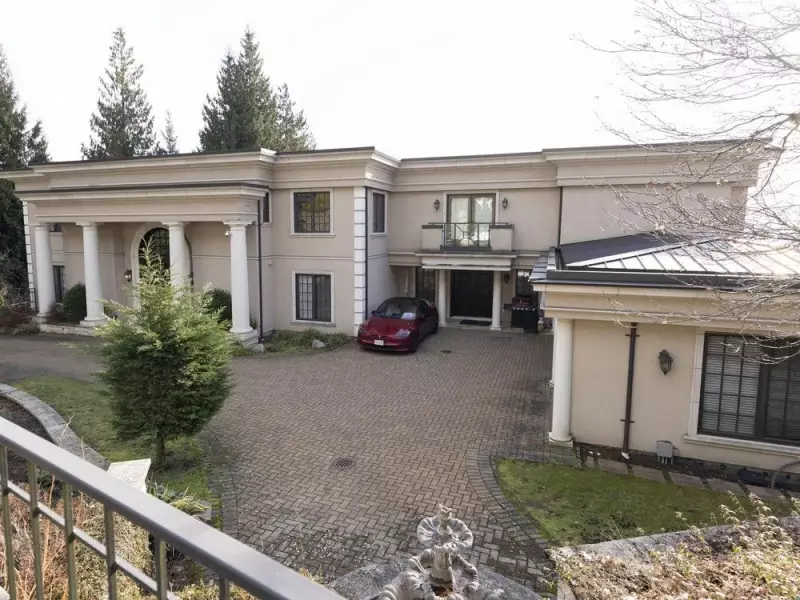
The director of civil forfeiture filed lawsuits earlier this month against associates of Mashinchi, seeking government ownership of the properties due to their alleged connections to criminal activities. The targeted assets include luxury downtown condominiums and an opulent West Vancouver residence.

Substantial Evidence and Criminal Operations
Law enforcement officials previously seized substantial evidence during their investigation, including more than 200 kilograms of illicit drugs valued at approximately $16 million, seven firearms, and $500,000 in cash and jewelry. The civil forfeiture lawsuits present detailed allegations about how the properties facilitated criminal enterprise.
The legal documents claim Mashinchi "orchestrated a long-running, large-scale scheme to launder the proceeds of unlawful activity, primarily through the use of real property in the Metro Vancouver area." The operation allegedly involved multiple associates who maintained control over dozens of properties throughout the region.
Properties as Criminal Hubs
According to the lawsuits, the properties served multiple criminal purposes beyond simple money laundering. The documents state that "the Mashinchi associates provided access to the Mashinchi properties to members of organized crime and others engaged in unlawful activity for the purpose of providing a 'safe' locale for them to plan and engage in unlawful activity."
One particularly notable incident occurred in 2018 when Brothers Keeper gang founder Gavinder Grewal was fatally shot inside a luxury North Vancouver condominium that he had rented from Mashinchi. This connection between the properties and violent criminal activity underscores the serious nature of the allegations.
Sophisticated Money Laundering Techniques
The civil forfeiture cases reveal sophisticated methods allegedly employed to conceal illicit funds. One primary tactic involved using rental agreements as cover for explaining large cash deposits to financial institutions. The director's statement explains that "one tactic the Mashinchi associates employed to launder the proceeds of crime is through the rental and/or purported rental of some or all of the Mashinchi properties to third parties. These rentals were used as cover to explain cash deposits to banks and other financial entities."
Each of the twelve forfeiture cases contains identical allegations against Mashinchi and his associates, asserting they maintained control over all properties involved in the scheme. The legal action represents one of British Columbia's most significant civil forfeiture efforts targeting alleged criminal assets.
The case continues to develop as authorities pursue both the forfeiture of properties and the location of the fugitive at the center of this elaborate criminal network. The outcome could set important precedents for how British Columbia addresses complex money laundering operations connected to international drug trafficking.