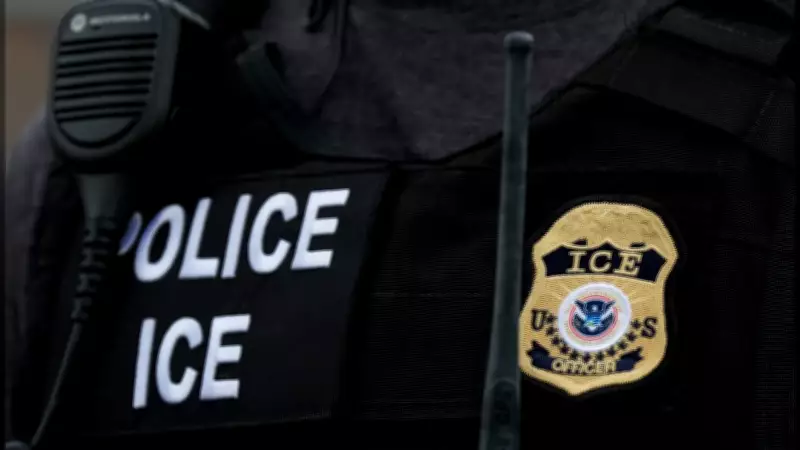
Ontario First Nations Issue U.S. Travel Advisory Over ICE 'Tribal Targeting' Concerns
Two First Nations communities in Ontario have taken the significant step of issuing a formal travel advisory for their members planning to visit the United States. The advisory stems from growing concerns about potential targeting by U.S. Immigration and Customs Enforcement (ICE) officials, specifically what the communities describe as "tribal targeting" practices.
Heightened Concerns Over Border Security Practices
The advisory represents a serious development in cross-border relations between Indigenous communities and U.S. immigration authorities. While specific incidents prompting the advisory were not detailed in the initial announcement, the language suggests a pattern of concerning interactions that has led community leaders to take precautionary measures.
This action follows a period of increased scrutiny of ICE practices, particularly under the leadership of figures like Kenneth Genalo, director of ICE's New York City field office. Genalo has been a prominent voice in immigration enforcement discussions, having spoken extensively about agency priorities and operations during media interviews in recent years.

Broader Context of Indigenous Rights and Border Crossings
The travel advisory highlights ongoing tensions at the intersection of Indigenous rights, border sovereignty, and immigration enforcement. Many First Nations communities maintain traditional territories that span the Canada-U.S. border, creating complex jurisdictional questions that have persisted for generations.
The advisory specifically warns community members about potential risks when crossing into the United States, suggesting that ICE officials may be employing practices that disproportionately affect Indigenous travelers. While the exact nature of these practices remains unspecified, the terminology "tribal targeting" implies a concerning pattern that has prompted official action from community leadership.
Practical Implications for Community Members
For members of the affected First Nations, the advisory represents more than just a warning—it serves as official guidance that could significantly impact travel plans, family visits, cultural exchanges, and economic activities that require crossing the border. The communities have likely developed specific recommendations for members who must travel despite the advisory, though these details were not included in the initial report.
The timing of this advisory coincides with broader discussions about border security and Indigenous rights in both countries, adding another layer of complexity to already delicate diplomatic and community relations. It remains unclear whether other First Nations communities will issue similar advisories or if this represents an isolated response to specific incidents.
Looking Forward: Next Steps and Community Response
Community leaders are expected to provide additional details about the advisory in coming days, including specific guidance for members and any diplomatic efforts underway to address the concerns with U.S. authorities. The advisory represents a protective measure taken by community leadership to ensure the safety and rights of their members while navigating increasingly complex border environments.
This development underscores the ongoing challenges faced by Indigenous communities whose traditional territories and contemporary lives transcend modern political boundaries, creating unique vulnerabilities in an era of heightened border security measures.