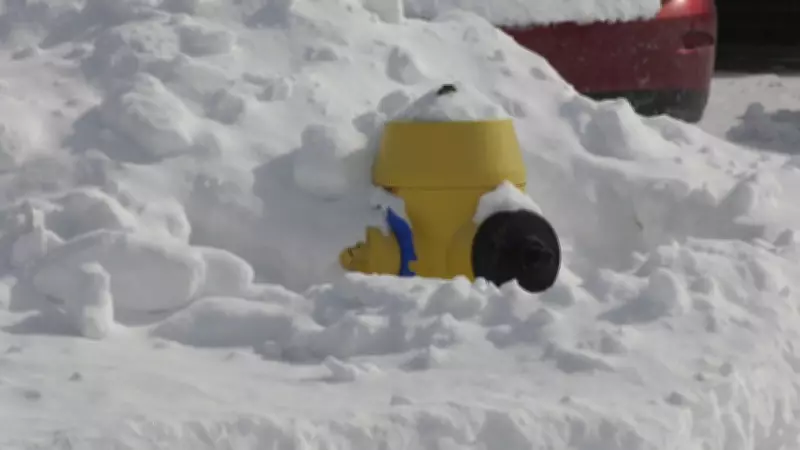
Snow Removal Responsibility for Fire Hydrants: A Municipal Bylaw Breakdown
As winter continues to grip communities across Canada, a crucial question emerges regarding public safety infrastructure: Who is responsible for clearing snow from fire hydrants? The answer varies significantly depending on municipal jurisdiction, with some cities having explicit bylaws while others maintain ambiguous regulations.
The Patchwork of Municipal Regulations
Across Canadian municipalities, there exists a patchwork approach to fire hydrant snow removal responsibilities. Some municipalities have implemented clear bylaws that designate specific parties—whether property owners, municipal workers, or utility companies—as responsible for maintaining clear access to these critical firefighting resources. In other jurisdictions, the regulations remain deliberately vague or completely absent, creating potential confusion during winter emergencies.
This regulatory inconsistency means that residents in different cities may face completely different expectations regarding their winter maintenance obligations. The lack of standardized national guidelines has resulted in a municipality-by-municipality approach that can leave both property owners and emergency responders uncertain about their roles during heavy snowfall periods.

Why Clear Access Matters
Fire hydrants buried under snow present a significant public safety concern that extends beyond mere inconvenience. When firefighters respond to emergencies during winter months, every second counts in accessing water sources. Snow-covered hydrants can delay fire suppression efforts by precious minutes, potentially allowing fires to spread more rapidly and causing greater property damage or even loss of life.
The importance of clear hydrant access becomes particularly critical during extreme winter weather events when multiple emergencies may occur simultaneously. Municipalities with clear regulations typically emphasize that property owners adjacent to hydrants bear responsibility for maintaining a clear perimeter, usually defined as a specific radius around the hydrant itself.
Municipal Approaches Across Canada
Various Canadian cities have adopted different strategies for addressing this winter safety issue:
- Explicit Bylaw Cities: Some municipalities have implemented specific bylaws requiring property owners to clear snow from hydrants adjacent to their properties, often with defined clearance dimensions and timelines after snowfall events.
- Municipal Responsibility Models: Other cities maintain that fire hydrant clearance falls under municipal public works departments, treating it as part of broader snow removal operations alongside road and sidewalk clearing.
- Hybrid Approaches: Certain jurisdictions employ combination models where municipal crews handle primary clearance but property owners are expected to maintain access between municipal visits.
- Ambiguous or Absent Regulations: Some municipalities have no specific bylaws addressing fire hydrant snow removal, creating potential gaps in winter emergency preparedness.
Community Safety Implications
The variation in municipal approaches to fire hydrant snow removal has direct implications for community safety during winter months. Fire departments across Canada consistently emphasize that clear access to hydrants can mean the difference between a contained incident and a major emergency. Some fire services have launched public awareness campaigns encouraging residents to adopt hydrants in their neighborhoods, taking personal responsibility for keeping them clear even without formal bylaws requiring such action.
This community-based approach recognizes that regardless of municipal regulations, winter safety is a shared responsibility between municipal governments, utility providers, and individual residents. The most effective systems typically involve clear communication about expectations, combined with public education about why hydrant access matters for neighborhood safety.

As climate patterns evolve and winter weather becomes increasingly unpredictable in many regions, municipalities may need to revisit their approaches to this critical aspect of winter infrastructure maintenance. The question of who clears snow from fire hydrants represents more than just a property maintenance issue—it's fundamentally about ensuring emergency responders can protect communities when seconds count most.