Ring's Super Bowl Commercial Sparks Widespread Backlash Over Surveillance Concerns
Super Bowl advertisements are typically designed to boost brand visibility and drive sales for the companies that invest millions in airtime. However, for Ring, the home security and smart device company owned by Amazon, a recent Super Bowl commercial appears to have had the opposite effect. The ad, which promoted Ring's new "Search Party" feature, has ignited a firestorm of criticism on social media, with many users labeling it as "creepy," "terrifying," and "dystopian."
What Is Ring's 'Search Party' Feature?
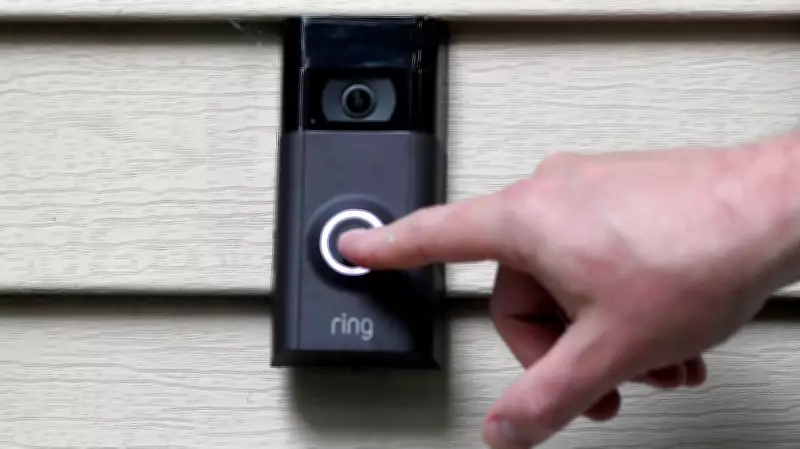
The commercial showcased "Search Party," a functionality that allows pet owners to locate lost animals by activating all Ring cameras in their neighborhood to search for visual matches. According to the ad, this feature has helped find "more than a dog a day," positioning it as a tool for community safety and pet recovery. On the surface, this might seem like a benevolent innovation, but the public reaction tells a different story.
Social Media Erupts with Criticism
Almost immediately after the Super Bowl, social media platforms were flooded with negative responses. Critics argued that the ad was a thinly veiled attempt to normalize widespread surveillance. U.S. Senator Ed Markey highlighted on X (formerly Twitter) that Ring has also rolled out facial recognition for humans without requiring user consent, stating, "This definitely isn't about dogs—it's about mass surveillance."

Other prominent voices echoed these concerns. Digital marketing executive Jeff Ventura expressed disbelief that the commercial was approved, suggesting it might be a strategic risk to advance surveillance capabilities. User Angry Staffer remarked, "I've never seen a commercial destroy a company's reputation before. Great work, Ring," while Brady Smith criticized the tactic of using "lost puppies" to gain public acceptance for intrusive camera access.
Broader Implications and Public Fear
The backlash extends beyond mere discomfort with the ad's messaging. Many users fear that features like "Search Party" could pave the way for a surveillance state, where companies and law enforcement agencies have unprecedented access to private camera networks. Christina Henderson compared Ring's efforts to Flock, a company known for its surveillance systems, whispering, "this isn't about dogs."
Additional concerns were raised about potential abuses, such as granting police and Immigration and Customs Enforcement (ICE) access to these camera networks. User Zito described it as "dystopian shit," emphasizing the risk of normalized public monitoring. Bridget Phetasy added, "ring search party is terrifying and what's most terrifying is that we opted into this like fucking idiots," pointing to the automatic opt-in nature of such features.
Marketing Misstep or Calculated Risk?
The decision to air this ad during the Super Bowl, one of the most-watched television events globally, has left many questioning Ring's marketing strategy. Timo Riske noted, "the fact that amazon really thought it was a good idea to air this during the Super Bowl tells us how those companies are feeling way too comfortable these days." This sentiment reflects a growing public unease with tech giants overstepping privacy boundaries.
As of now, HuffPost has reached out to Ring for comment, but no official response has been provided. The incident serves as a stark reminder of the delicate balance between innovation and privacy in the digital age, where features marketed as helpful can quickly be perceived as threats to personal freedom.