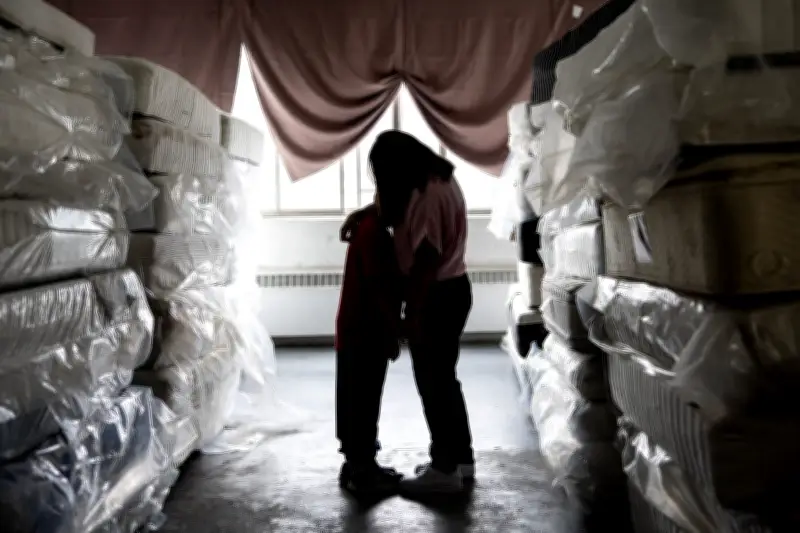
Arminda Casanova, a Montreal mother, and her eight-year-old son are facing imminent separation after her asylum claim was refused by Canadian authorities. The decision, reported by The Canadian Press on June 28, 2026, underscores the harsh realities of Canada's immigration system for some applicants.
Details of the Case
Casanova, who has been living in Montreal, applied for asylum but her claim was denied. The refusal means she may be deported, while her son, a Canadian citizen by birth, would remain in the country. The case has drawn attention from advocacy groups who argue that the policy separates families unnecessarily.
According to immigration lawyer Marie-Claude Landry, “This case is not unique. Many families face similar dilemmas when one member's asylum claim is rejected while another holds citizenship.” Landry emphasized that the law does not automatically grant residency to parents of citizen children.

Impact on the Family
The separation would force Casanova to leave Canada, while her son would stay with relatives or in foster care. The boy, who has lived in Montreal his entire life, would lose daily contact with his mother. “It's devastating,” said a neighbor who asked to remain anonymous. “They are a close-knit family.”
Statistics from the Immigration and Refugee Board show that in 2025, approximately 45% of asylum claims were rejected. However, few cases involve citizen children, making this situation particularly poignant.
Broader Implications
The case has sparked debate about Canada's refugee policies. Critics argue that the system fails to consider the best interests of the child. “We need a more compassionate approach,” said John Smith of the Canadian Council for Refugees. “Separating a child from their parent is traumatic and should be avoided whenever possible.”
Meanwhile, the government defends its process. “Our asylum system is fair and thorough,” said a spokesperson for Immigration, Refugees and Citizenship Canada. “Decisions are made based on the law and evidence presented.”
As Casanova prepares for potential deportation, her son's future remains uncertain. The family hopes for a last-minute intervention from authorities to prevent their separation.