

Minnesota Immigration Crackdown Concludes Amid Controversy and Deaths
The intense immigration enforcement operation in Minnesota, which sparked widespread detentions, public protests, and two fatalities, is officially coming to a close, as announced by border czar Tom Homan on Thursday. This development marks a significant shift in the state's approach to federal immigration policies.
Operation Metro Surge: A Timeline of Events
U.S. Immigration and Customs Enforcement initiated Operation Metro Surge on December 1, targeting the Minneapolis-St. Paul metropolitan area. Federal authorities reported that the sweeps resulted in the arrest of more than 4,000 individuals. While the Trump administration labeled those apprehended as "dangerous criminal illegal aliens," reports indicate that many detainees had no criminal records, including children and U.S. citizens, raising serious concerns about the operation's scope and methods.
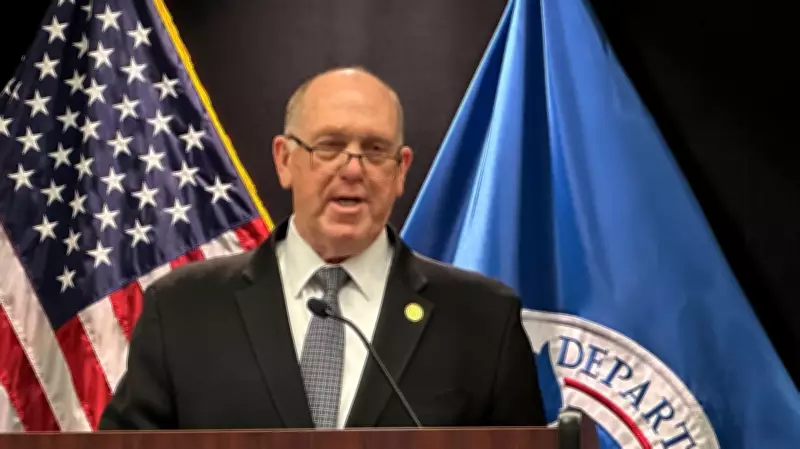
Homan, in a news conference, stated, "As a result of our efforts here, Minnesota is now less of a sanctuary state for criminals." He further explained, "I have proposed and President Trump has concurred, that this surge operation conclude." This announcement follows mounting political pressure and public outcry over the operation's impact on communities across the state.

Political Backlash and Leadership Changes
The operation faced escalating criticism after a second fatal shooting by federal immigration agents in late January, prompting Homan to take over the Minnesota initiative. Democratic Governor Tim Walz expressed relief at the impending end, noting on Tuesday that he expected the operation to wind down in "days, not weeks and months," based on discussions with senior Trump administration officials.
Walz emphasized his ongoing dialogue with key figures, including Homan and White House chief of staff Susie Wiles, stating, "We're very much in a trust but verify mode." He described the operation as an "occupation" and a "retribution campaign" against Minnesota, highlighting the tense relationship between state and federal authorities during this period.
Reduction in Federal Presence and Future Implications
Homan previously announced that 700 federal officers would depart Minnesota immediately, citing an "increase in unprecedented collaboration" that reduced the need for such a large force. This collaboration included assistance from jails holding deportable inmates. However, Governor Walz pointed out that this reduction still leaves approximately 2,300 officers on Minnesota's streets, underscoring the ongoing federal presence in the state.
Minneapolis Mayor Jacob Frey also contributed to the discourse, mentioning a "positive meeting" with Homan on Monday where they discussed further drawdowns of federal personnel. Despite these developments, officials from the Department of Homeland Security have not commented on Governor Walz's remarks, leaving some questions unanswered about the full extent of the operation's conclusion.
The end of Operation Metro Surge signals a potential de-escalation in immigration enforcement tensions in Minnesota, but it also leaves a legacy of controversy, with communities grappling with the aftermath of mass detentions and tragic deaths. As the state moves forward, the balance between security measures and civil liberties remains a critical issue for policymakers and residents alike.






