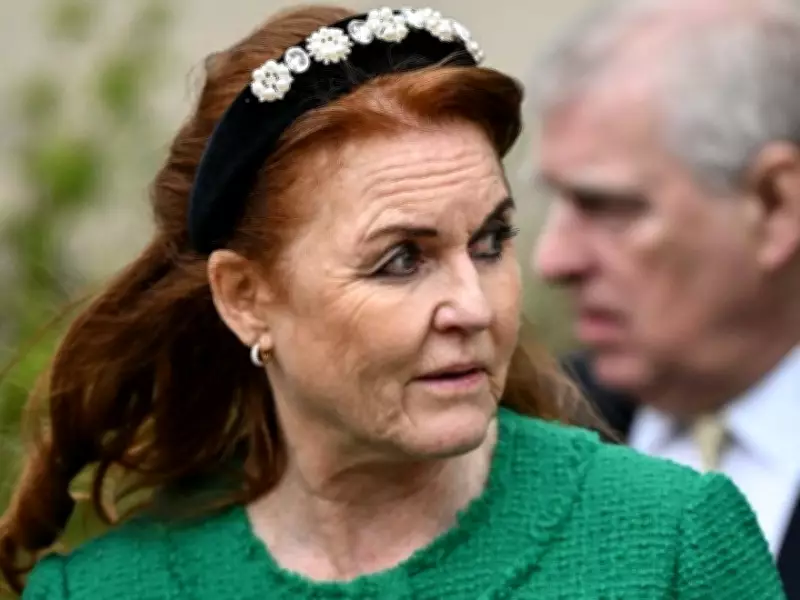
Sarah Ferguson Sought Financial Guidance from Jailed Jeffrey Epstein
Newly released documents from the U.S. Justice Department's investigation into Jeffrey Epstein reveal that Sarah Ferguson, the former Duchess of York, appeared to seek bankruptcy advice from the convicted child sex offender while he was behind bars. The emails, which were part of a recent document dump, show Ferguson in a desperate financial situation, exploring various options to clear mounting debts.
Emails Show Desperate Financial Situation
In an email dated July 13, 2009, Ferguson wrote to Epstein towards the end of his stay at Palm Beach County Jail, addressing him as a "true friend" and asking for advice on a financial offer from British billionaire John Caudwell. According to the correspondence, Caudwell had proposed giving Ferguson £10 million in exchange for 50% of her net profits for life. Epstein's brief reply was: "Have him put the deal in writing."
A spokesperson for Caudwell confirmed to BBC News that the billionaire had discussed a potential business transaction to help clear Ferguson's debt but was unaware she was communicating with Epstein. The deal was never finalized.

Financial Struggles After Royal Divorce
At the time of these communications, Ferguson still held her Duchess of York title but had divorced from Andrew Mountbatten-Windsor (formerly Prince Andrew). Her financial situation had deteriorated significantly after her endorsement deal with Weight Watchers concluded, cutting off a major source of income.
The emails reveal Ferguson considered multiple avenues to address her financial troubles, including seeking bailouts from billionaires and even selling her personal jewelry to raise funds.
Epstein's Involvement with Business Associates
The disgraced financier discussed Ferguson's financial situation with London-based German businessman David Stern, who had close links to the Royal Family. In their correspondence, Stern and Epstein spoke about Ferguson in derogatory terms, with Epstein advising Stern to be "very tough" with her and to treat her "like a girlfriend that has cheated."
Stern reportedly responded that treating her as a cheating girlfriend was "working." After Epstein's release from jail, he instructed Stern to have Ferguson detail all her creditors, to which Stern later complained: "Fergie data collection remains slow and unbelievable what it takes to get basic info."
Exploring Various Financial Options
Ferguson's emails show she was actively pursuing multiple financial rescue plans. She asked Stern to meet with Russian billionaire Vladimir Zemtsov, whom she believed might help her out of debt. A spokesperson for Zemtsov confirmed he had been approached by Stern and Ferguson about investing in a series of children's books, but discussions didn't progress further.
Meanwhile, Ferguson was working to secure brand endorsements and business deals with companies including department store Target and cruise line Cunard. In one email, Stern noted Ferguson had asked him where she could sell her jewelry, to which he responded it was "not my field of expertise."
Royal Family Involvement Suggested
Emails from January 2010 suggest Andrew Mountbatten-Windsor might have been "putting up 1mm" (presumably £1 million) to help with Ferguson's debt. Further correspondence alluded to the former prince providing financial assistance for what Ferguson was "tangled up in."
Despite these preparations and discussions about bankruptcy, Ferguson ultimately did not declare bankruptcy. The emails don't clarify whether all her debts were paid in full or how her financial situation was ultimately resolved.
Context of Epstein's Criminal Case
These communications occurred while Epstein was serving time in Palm Beach County Jail for soliciting prostitution from a minor. The emails were among thousands of documents recently released by the U.S. Justice Department as part of their investigation into Epstein's activities and network.
The revelations add another layer to the complex relationship between Epstein and various high-profile individuals, showing how the convicted sex offender continued to wield influence and offer financial advice even while incarcerated.