

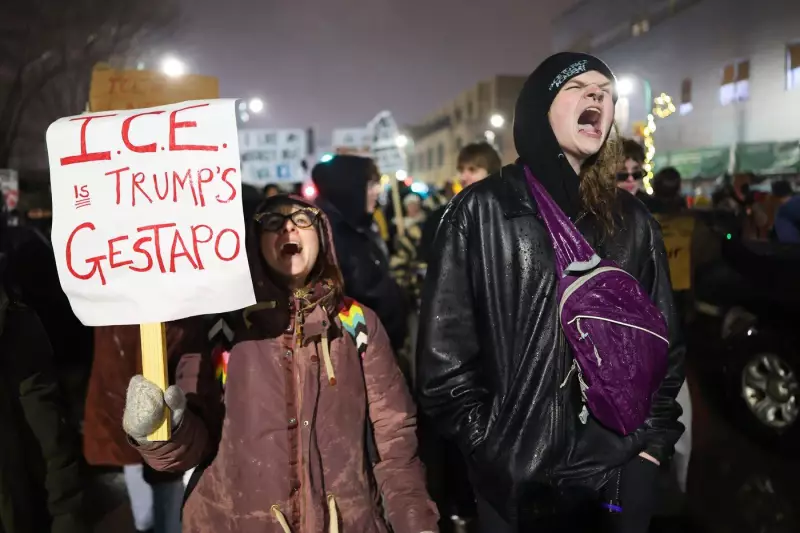
Anger and outrage spilled onto the streets of Minneapolis on Friday, January 9, 2026, following the fatal shooting of a 37-year-old woman by a U.S. Immigration and Customs Enforcement (ICE) officer. The incident, which occurred during an ICE operation, has ignited fierce protests and a heated national debate over immigration enforcement tactics.
Details of the Fatal Encounter
The woman killed has been identified as Renee Good. The shooting took place during a traffic stop that was part of an ICE operation, though specific details surrounding the circumstances leading to the use of deadly force remain under investigation by multiple agencies. Federal officials have moved quickly to defend the actions of the ICE agent involved in the incident.
In the immediate aftermath, political reactions poured in, highlighting the deep divisions on the issue. U.S. Senator JD Vance stated, "Our ICE officers should be supported in doing their jobs," echoing a sentiment from former President Donald Trump's camp, which plans to send additional ICE agents to Minnesota. South Dakota Governor Kristi Noem commented that the officer "followed his training."

Political Fallout and Public Outcry
Conversely, Minnesota's governor accused officials of pushing "false narratives" about the shooting victim. Critics, including political analyst Ham, accused Trump of having a "blame the victim approach" to the tragedy. The mayor of Minneapolis was reported to have lashed out with strong language in the tense hours following the shooting.
The protests in Minneapolis reflect the raw public sentiment, with demonstrators expressing grief and fury over Good's death. A retired FBI agent urged the public to "hold judgement" until the official investigation concludes, a call for patience that stands in stark contrast to the volatile emotions on display.
Calls for Calm and a Look Ahead
Senator Vance also made a broader political point amidst the turmoil, suggesting that those concerned over immigration should "take it to the ballots, not the streets." This statement underscores how the incident is being immediately framed within the larger context of the upcoming political cycle and national immigration policy debates.
As the city grapples with the fallout, the focus turns to the pending investigations which will seek to determine the precise sequence of events. The case has already become a flashpoint, promising to fuel ongoing discussions about the scope, authority, and methods of federal immigration enforcement within American communities.






