

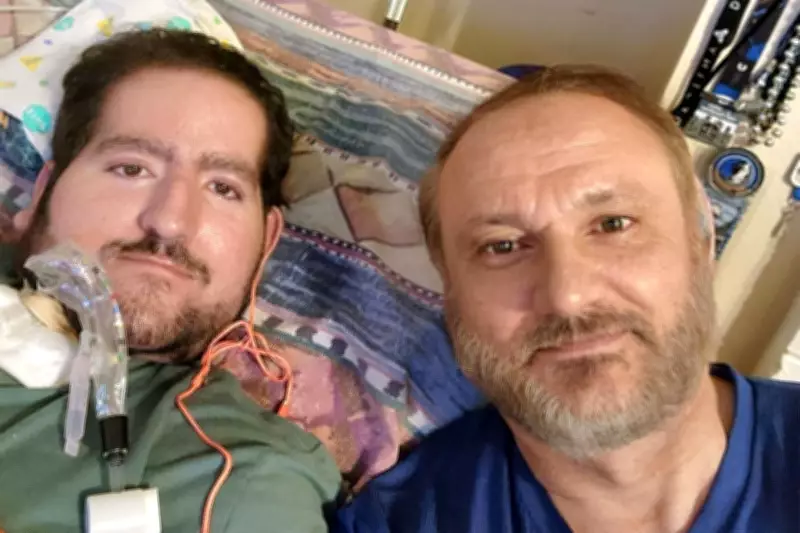
A Heartbreaking Separation: Detained Father Cannot Attend His Son's Funeral
The tragic story of Wael Tarabishi and his father, Maher Tarabishi, has captured national attention, highlighting the profound human costs often associated with immigration enforcement. Wael Tarabishi, who suffered from a lifelong inherited disorder that severely affected his muscles and heart, passed away on January 23, 2026. His father, Maher Tarabishi, who was his sole caregiver, remains detained by U.S. Immigration and Customs Enforcement (ICE) in Texas, unable to attend his son's funeral or provide comfort to his family during this devastating time.
The Lifelong Bond of Care
Maher Tarabishi dedicated his life to caring for his son, Wael, who battled a debilitating genetic condition from birth. This disorder not only weakened his muscles but also placed immense strain on his heart, requiring constant, specialized attention. As the primary caregiver, Maher was intimately involved in every aspect of his son's daily needs, from medical management to emotional support. Their bond was one of unwavering devotion, a testament to parental love in the face of immense challenge.
The situation underscores a critical issue within immigration systems: the separation of families, particularly when a detained individual holds a crucial caregiving role. Advocates argue that such cases demand greater humanitarian consideration, especially when public safety is not a concern. The emotional and psychological toll on both the detained parent and the vulnerable dependent can be severe and long-lasting.

A Funeral Without a Father
Wael Tarabishi will be laid to rest without the presence of his father, a reality that has compounded the family's grief. The funeral, a time for closure and communal support, will proceed with a palpable absence. Family members and community supporters have expressed profound sorrow over this forced separation, emphasizing that Maher should be with his family to mourn and honor his son's memory.
This case has sparked broader conversations about immigration detention policies and their impact on family unity. Critics point to the need for more compassionate alternatives to detention, especially for individuals who are caregivers or who pose no flight risk. The Tarabishi family's ordeal serves as a poignant reminder of the personal stories behind immigration statistics.
Broader Implications and Community Response
The detention of Maher Tarabishi has mobilized immigrant rights groups and community advocates, who are calling for his release on humanitarian grounds. They argue that his role as a sole caregiver for a disabled adult son should warrant special consideration, allowing him to be present for his son's final rites and to support his remaining family.
While ICE has not publicly commented on this specific case, such situations often involve complex legal and procedural hurdles. Families in similar circumstances frequently face bureaucratic delays and stringent enforcement priorities that overlook individual humanitarian needs. The Tarabishi story highlights the urgent need for policy reforms that balance enforcement with family preservation and human dignity.
As Wael Tarabishi is remembered by those who knew him, his father's absence looms large, a stark illustration of the intersecting challenges of disability care, immigration status, and familial love. This tragedy calls for a renewed examination of how societies treat their most vulnerable members and the caregivers who support them.






