Facing escalating violence and political turmoil in their homeland, a growing number of terrified Haitians currently in the United States are making the difficult and often dangerous decision to seek refuge in Canada. This trend highlights the complex pressures on international asylum systems and the lengths individuals will go to find safety.
A Desperate Search for Safety
The journey for these individuals is fraught with risk. Many undertake perilous trips to reach official Canadian ports of entry or remote border crossings, often in harsh weather conditions. Upon arrival, they immediately place themselves in the hands of Canadian authorities to make a claim for protection.
This situation underscores the ongoing humanitarian crisis in Haiti, which has driven thousands from their homes. For those who initially sought shelter in the United States, a combination of factors, including uncertain immigration status and fear of deportation back to Haiti, is prompting this secondary movement northward.

Response at the Border
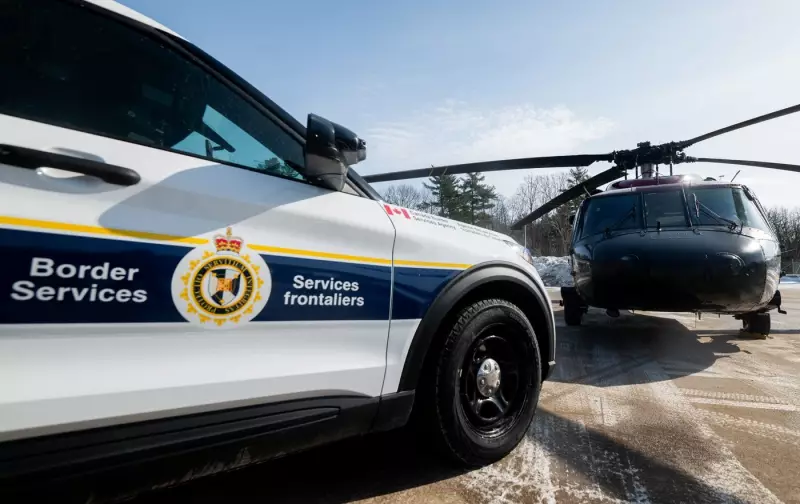
The arrival of these asylum seekers is managed by a coordinated response from Canadian border and law enforcement agencies. The Canada Border Services Agency (CBSA) is the primary federal body responsible for processing individuals at ports of entry, ensuring security and assessing the admissibility of anyone seeking to enter the country.
They work in conjunction with the Royal Canadian Mounted Police (RCMP), which patrols border regions between official crossings. The RCMP's role often involves intercepting individuals who cross irregularly, ensuring their safety, and transferring them to CBSA officials for processing in accordance with Canadian and international law.
Navigating Canada's Asylum System
Once a Haitian national makes a claim for asylum at the border, they enter Canada's refugee protection system. Each claimant undergoes a thorough eligibility interview and, if found eligible, their case is referred to the Immigration and Refugee Board (IRB) for a hearing. The IRB independently decides whether the claimant meets the legal definition of a Convention refugee or a person in need of protection.
This process is designed to be fair and rigorous, balancing Canada's humanitarian commitments with the integrity of its immigration system. The increase in claims from Haitian nationals presents an operational challenge, testing the capacity and resources of the agencies involved.
The phenomenon of Haitians journeying from the U.S. to Canada is a direct consequence of instability abroad and reflects the global nature of migration challenges. It places a spotlight on Canada's border policies and its ongoing role as a destination for those fleeing persecution and violence.