

Canada's Immigration System Under Scrutiny: From Enviable to Controversial
The once-lauded Canadian immigration system is facing unprecedented scrutiny as policy shifts and political changes reshape the nation's approach to newcomers. What was once considered a model for other nations has become a subject of intense debate and concern among policymakers and citizens alike.
Historical Context and Current Challenges
In a revealing discussion, Sun political columnist Brian Lilley recently interviewed former Immigration Minister and Alberta Premier Jason Kenney about the transformation of Canada's immigration framework. The conversation highlighted how significantly the system has evolved since the Stephen Harper government era, with Kenney providing firsthand insights into both achievements and current challenges.
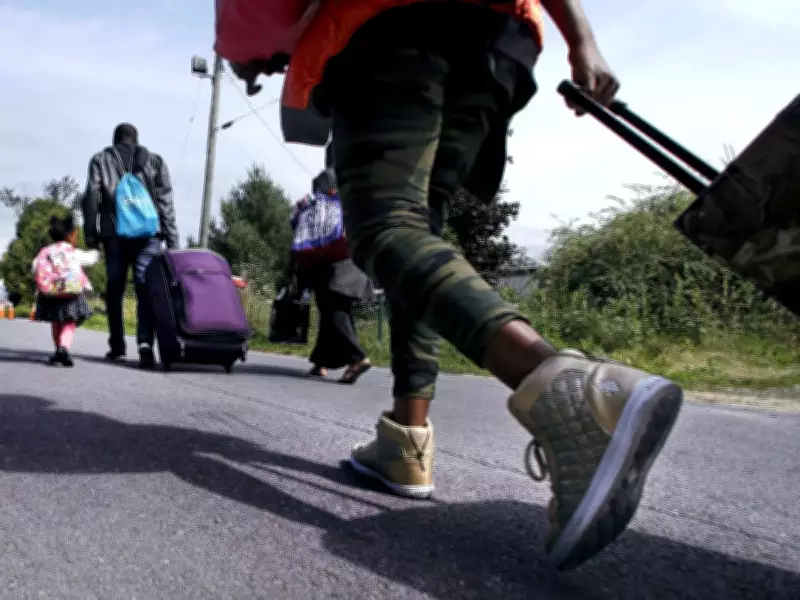
The human dimension of immigration policy was poignantly illustrated in August 2017 when ten-year-old Lena Gunja, originally from Congo and living in Portland, Maine, followed her family toward an unofficial border crossing with Quebec on Roxham Road in Champlain, New York. Wearing gold high-top sneakers, the young girl represented the hopes and fears of countless families seeking refuge. "In Trump's country they want to put us back to our country," Gunja explained at the time. "So we don't want that to happen to us. We want a good life for us. My mother, she wants a good life for us."

Policy Evolution and Public Debate
The interview with Kenney explored several critical aspects of immigration policy evolution:
- Changing priorities in refugee processing and family reunification programs
- Border security measures and their impact on irregular crossings
- Economic immigration programs and their alignment with labor market needs
- Integration services and settlement support for newcomers
"What was once considered a gold standard in immigration management has faced significant pressures in recent years," noted one policy analyst familiar with the discussion. The conversation between Lilley and Kenney delved into how political priorities, international relationships, and domestic concerns have collectively reshaped Canada's approach to immigration.
Looking Forward: The Future of Canadian Immigration
As Canada continues to navigate complex immigration challenges, several key questions remain unanswered:
- How will Canada balance humanitarian obligations with security concerns?
- What lessons can be learned from past policy successes and failures?
- How will changing global migration patterns affect Canada's approach?
- What role should provinces play in shaping immigration policy?
The discussion highlighted that while Canada's immigration system has undergone significant transformation, the fundamental questions about national identity, economic growth, and humanitarian responsibility remain as relevant as ever. As policymakers and citizens continue this important conversation, the experiences of families like Lena Gunja's serve as a powerful reminder of the human stories behind immigration statistics and policy debates.






