

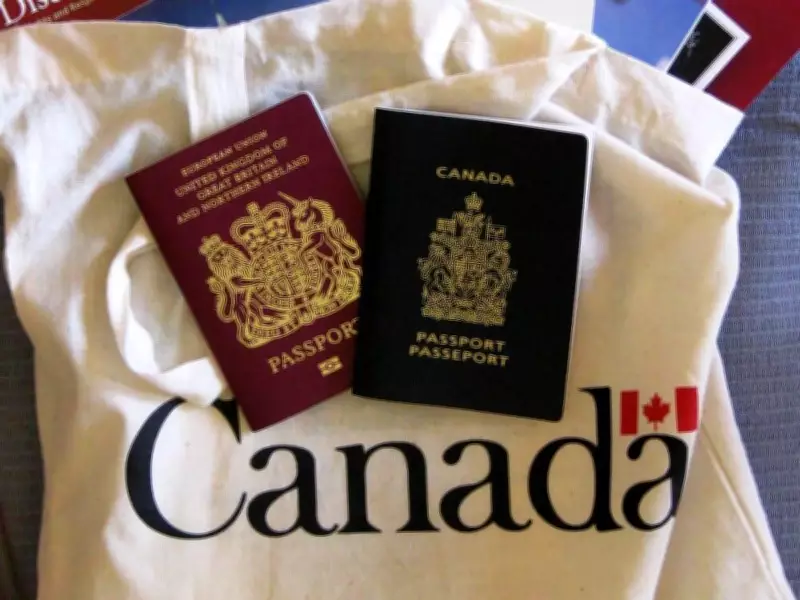
British-Canadians Face Travel Disruption Due to New U.K. Passport Rules
British dual nationals residing in Canada are encountering significant travel obstacles following the implementation of new United Kingdom passport regulations. The rules, which took effect on February 25, mandate that individuals born in Britain must possess a British or Irish passport, or a certificate of entitlement proving right of abode, to enter the U.K. This change has left many British-Canadians in a state of uncertainty, with some fearing their planned trips may be jeopardized.
New Requirements Cause Confusion and Delays
The updated regulations were announced last year but received limited publicity until recently, catching many travelers off guard. Previously, British-born individuals could enter the U.K. using their Canadian passports, but this is no longer permitted. The shift has prompted a rush to secure British passports, with applicants facing bureaucratic hurdles and processing delays.
Mike Stephen, an 84-year-old who was born in Salford, England, and has lived in Canada since 1967, exemplifies the challenges. He holds both Canadian and British passports but encountered difficulties when attempting to renew his British passport ahead of a planned May trip. "About two months ago, I sent off to get a new passport," Stephen explained. "They came back and said, 'We can't renew it without a colour copy of every page of your Canadian passport.'"

Stephen found this requirement unreasonable, given that a Canadian passport contains 38 pages with only a few containing relevant information. After initially considering relying solely on his Canadian passport, he was informed by the British passport office that the rules had changed, compelling him to obtain a British one. His first set of colour copies was rejected due to insufficient quality, forcing him to resubmit and leaving his travel plans in limbo.
Communication Gaps and Travel Repercussions
Derek Crawford, a 78-year-old born in Southampton, England, who has resided in Canada since the 1970s, only learned about the new regulations last week. He was scheduled to fly to London en route to Europe but, concerned about the several-week processing time for British passport applications, rebooked his flights through Portugal to avoid potential entry issues. "The communication about the new regulations has been poor," Crawford noted. "We're just finding out about this now."
Crawford expressed worry for others with imminent travel plans, stating, "I think a lot of people will have travel plans for March and April, who are just beginning to find out about this, and have the same dilemma that we have. There isn't enough time to get a British passport, so if you're going to the U.K., you may have to cancel your plans."
Broader Impact on Dual Nationals
The regulation change affects a diverse group of British-Canadians, including elderly travelers with long-standing ties to the U.K. Elizabeth Thompson, 90, who was born in Belfast, Northern Ireland, and moved to Canada in 1957, has been planning a November trip to the U.K. with her granddaughters, which she describes as her final visit. The new rules add an unexpected layer of complexity to her preparations.
The situation highlights the broader implications for dual nationals navigating international travel requirements. As applicants contend with documentation demands and processing timelines, the lack of widespread awareness about the regulation shift continues to pose risks for unsuspecting travelers. The British government's implementation and communication of these rules have drawn criticism for leaving many in a precarious position, with their journeys hanging in the balance.
For British-Canadians like Stephen, Crawford, and Thompson, the path forward involves navigating bureaucratic processes under time constraints, underscoring the importance of staying informed about evolving passport and entry regulations to avoid last-minute disruptions.






