

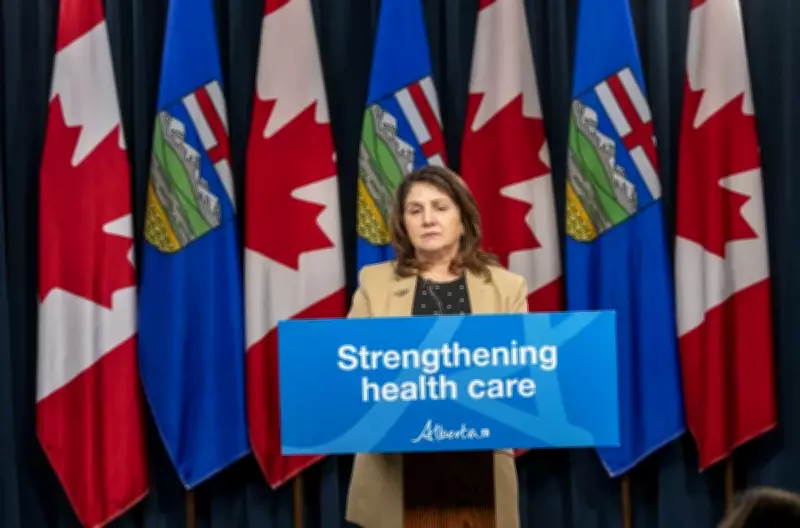
Private Diagnostic Tests Ease Public Health Burden, Says Alberta Government
In a move that has sparked intense debate, the Alberta government has announced new legislation to permit residents to pay for private diagnostic tests without requiring a doctor's referral. Minister of Primary and Preventative Health Services Adriana LaGrange unveiled the policy in Edmonton, aiming to expand health care access and reduce strain on the public system. The announcement, made in April 2026, includes provisions for tests such as MRIs, CT scans, full body scans, and blood work, with costs covered by individuals or their insurers.
Reactions from Public Health Advocates
Public health advocates have responded with strong opposition, arguing that private access could lead to a two-tiered health care system and undermine public services. Critics claim this shift threatens the sanctity of universal health care, even as they frequently highlight the inadequacies of the current public system. The debate centers on whether private options enhance or degrade public health care, with proponents asserting that reducing wait times for those in the public system is a key benefit.
Impact on Wait Times and System Efficiency
Supporters of the legislation argue that private diagnostic tests can alleviate pressure on public health care by allowing some patients to opt for faster, paid services. This, in turn, is expected to shorten wait times for those remaining in the public system. The policy reflects a broader trend in regions where private options have been introduced, often resulting in improved efficiency and reduced backlogs. However, opponents frame their objections as a defense of equitable access, expressing concern over disparities in treatment speed.

Concerns Over False Positives and Medical Resources
Dr. Brian Wirzba, president of the Alberta Medical Association, has raised legitimate concerns about private diagnostics, noting issues such as false positives and minor abnormalities that may cause unnecessary worry. He points out that these results can lead patients to consume physician time seeking explanations, potentially straining medical resources. In response, proponents compare this to patients using online searches for symptoms, which also generate false alarms and doctor visits, suggesting that regulated private tests offer more reliable diagnostic tools.
The legislation aims to balance innovation with public health integrity, as Alberta navigates the complexities of modern health care demands. With ongoing discussions about the role of private services, the outcome could set a precedent for other provinces grappling with similar challenges in health care delivery.






