

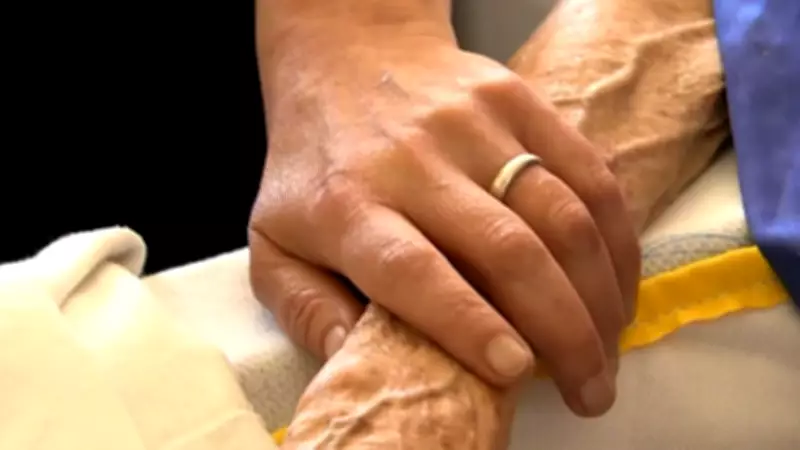
A recent poll has uncovered a significant and profound divide among Canadians regarding whether physicians should be permitted to refuse medical assistance in dying (MAID) based on religious beliefs. The survey, conducted amid ongoing national debates over end-of-life care, indicates that public opinion is sharply polarized on this ethically charged issue.
Deep Divisions in Public Sentiment
The findings reveal that Canadians are almost evenly split, with a substantial portion supporting the right of doctors to opt out of MAID procedures due to personal religious convictions, while an equally large group argues that patient access to MAID should take precedence over individual provider objections. This division reflects broader societal tensions between religious freedoms and healthcare rights in Canada.
Implications for Healthcare Policy
The poll results come at a critical time as policymakers and medical associations grapple with balancing ethical considerations in MAID implementation. Advocates for allowing refusals emphasize the importance of protecting conscience rights for healthcare professionals, ensuring they are not compelled to act against their deeply held beliefs. On the other hand, opponents warn that such refusals could create barriers to access, particularly in rural or underserved areas where alternative providers may be scarce.

Experts note that this debate is not unique to Canada but resonates globally as more countries legalize assisted dying. The Canadian data adds to a growing body of research on how to navigate conflicts between professional obligations and personal morals in medicine.
Broader Context and Future Directions
This poll underscores the need for clear guidelines and robust support systems within the healthcare system to address these conflicts. Potential solutions being discussed include mandatory referral systems, where doctors who object to MAID must direct patients to willing providers, and enhanced training for medical staff on ethical decision-making.
As Canada continues to refine its MAID framework, this deep divide among citizens suggests that ongoing public consultation and transparent policy-making will be essential to foster trust and ensure equitable access to end-of-life care for all Canadians.






