

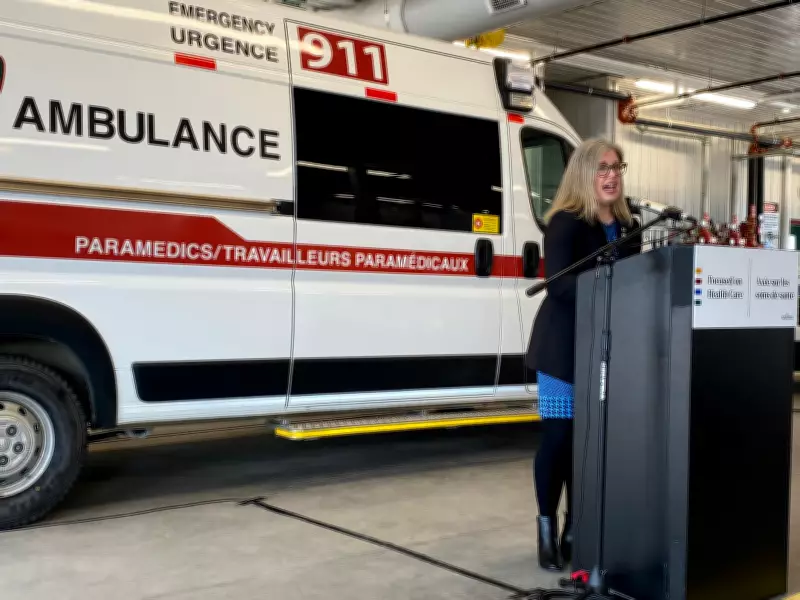
New Brunswick Government Extends Financial Support for Paramedics and EMTs
The government of New Brunswick has officially announced the extension of a crucial bursary program aimed at supporting paramedics and emergency medical technicians (EMTs) across the province. This initiative, revealed by Premier Susan Holt, is designed to provide financial assistance to these essential healthcare workers, helping to alleviate staffing shortages and improve emergency medical services in rural and urban areas alike.
Addressing Critical Staffing Shortages
Paramedics and EMTs in New Brunswick have been facing significant challenges due to a persistent shortage of qualified personnel, which has strained the province's emergency response capabilities. The extended bursary program offers substantial financial incentives to both new recruits and existing professionals, encouraging them to pursue or continue their careers in emergency medical services. This move is part of a broader strategy to bolster the healthcare workforce and ensure timely medical care for residents.
Financial Incentives and Program Details
The bursary program provides funding for tuition, training, and certification costs, making it more accessible for individuals to enter the field. By reducing the financial barriers associated with becoming a paramedic or EMT, the government hopes to attract a diverse range of candidates and retain experienced workers who might otherwise leave due to economic pressures. Premier Holt emphasized that this extension underscores the province's commitment to valuing and supporting its frontline healthcare heroes.

"You're valued," Holt stated during the announcement, highlighting the critical role these professionals play in saving lives and maintaining public health. The program is expected to not only increase the number of paramedics and EMTs but also enhance the overall quality of emergency medical services in New Brunswick.
Impact on Healthcare and Community Safety
Experts predict that this initiative will have a positive ripple effect on community safety and healthcare outcomes. With more trained paramedics and EMTs available, response times for emergencies are likely to improve, particularly in underserved regions. Additionally, the program may help reduce burnout among existing staff by alleviating workload pressures through increased staffing levels.
The extension of the bursary program comes at a time when many provinces across Canada are grappling with similar healthcare workforce challenges. New Brunswick's proactive approach could serve as a model for other regions seeking to address shortages in emergency medical services. As the program rolls out, officials will monitor its effectiveness in meeting staffing goals and enhancing the resilience of the province's healthcare system.






