

B.C. Legal Battle Over Medical Assistance in Dying Reaches Critical Juncture
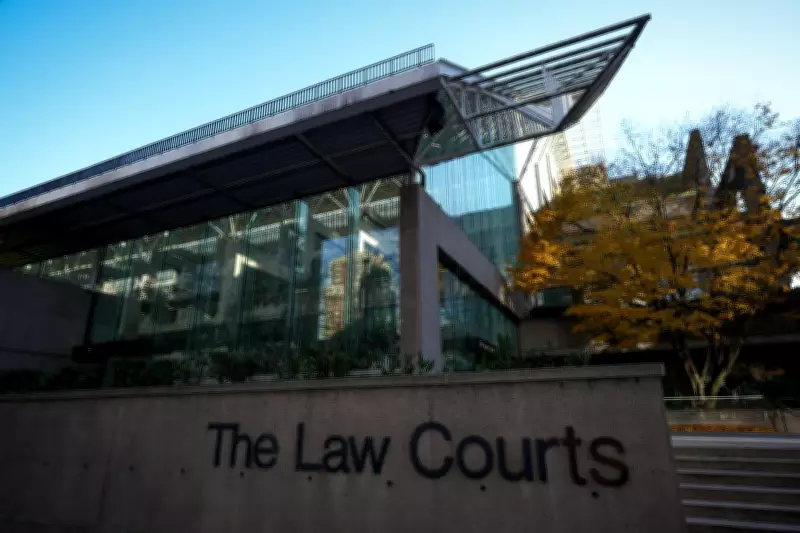
A pivotal legal challenge in British Columbia, contesting a Catholic-run hospital's denial of Medical Assistance in Dying (MAID) services, has entered its closing phase. The case, which could set significant precedents for healthcare access and religious exemptions in Canada, is being heard at the B.C. Supreme Court in Vancouver.
Background of the Dispute
The lawsuit centers on a Catholic-operated hospital in the province that has refused to allow MAID procedures on its premises, citing religious and ethical objections. This stance has sparked controversy, as it potentially restricts access to a legal medical service for patients in its care. Advocates argue that publicly funded institutions should not be permitted to deny services based on religious beliefs, especially when those services are legally permitted and requested by patients.
The legal proceedings have drawn national attention, highlighting tensions between religious freedoms and patient rights in healthcare settings. With MAID being a federally regulated practice since 2016, this case tests the boundaries of how institutions can opt out of providing such care.

Implications for Healthcare Policy
As closing arguments are presented, the outcome could influence policies across Canada regarding the role of faith-based organizations in publicly funded healthcare. If the court rules against the hospital, it may compel similar institutions to offer MAID or face legal consequences, potentially reshaping service delivery in provinces with significant Catholic healthcare networks.
Conversely, a ruling in favor of the hospital could reinforce the ability of religious entities to abstain from procedures conflicting with their beliefs, even when using public resources. This has raised concerns about equitable access to medical services, particularly in regions where Catholic hospitals are the primary or only healthcare providers.
Wider Context and Public Reaction
The case unfolds amid ongoing debates about MAID expansion in Canada, including recent discussions about eligibility for mental illness. Public opinion remains divided, with some supporting institutional autonomy based on conscience rights, while others emphasize patient autonomy and access to lawful medical options.
Legal experts suggest that the B.C. Supreme Court's decision could prompt legislative reviews at both provincial and federal levels, aiming to clarify the intersection of healthcare, law, and religion. The ruling is expected to have ramifications beyond British Columbia, potentially affecting similar disputes in other provinces where Catholic healthcare systems operate.
As the legal challenge reaches its conclusion, stakeholders from healthcare, legal, and advocacy sectors await a judgment that will undoubtedly shape the future of end-of-life care in Canada. The case underscores the complex balance between respecting religious diversity and ensuring consistent, accessible healthcare for all citizens.






