

Alberta Government Proposes Sweeping Restrictions on Medical Assistance in Dying
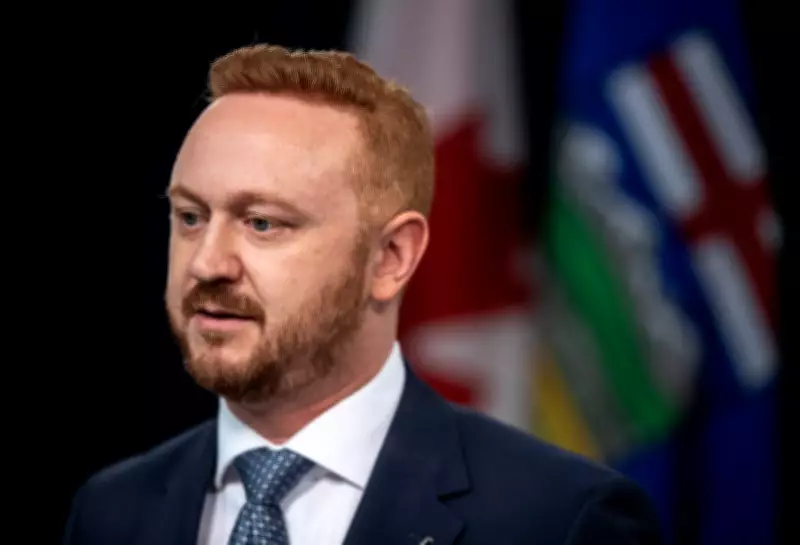
The Alberta government, under the leadership of Justice Minister Mickey Amery, has unveiled a series of proposed legislative changes aimed at drastically reducing access to medical assistance in dying (MAID) within the province. This move marks a significant shift in the province's approach to end-of-life care and has ignited intense discussions among healthcare professionals, patient advocacy groups, and policymakers.
Details of the Proposed Legislative Changes
The proposed amendments target several pieces of democratic process legislation, with the primary goal of imposing stricter eligibility criteria and procedural hurdles for individuals seeking MAID. While specific details of the changes are still emerging, sources indicate that the reforms will include enhanced mandatory waiting periods, additional medical consultations, and more rigorous assessments of patient consent and mental capacity.
Justice Minister Mickey Amery emphasized that the government's objective is to ensure that MAID is only considered as a last resort, with a renewed focus on palliative care and support services for those facing terminal or grievous illnesses. "We must prioritize life-affirming options and provide comprehensive care to all Albertans," Amery stated during the announcement in Edmonton.

Reactions and Implications for Healthcare
The proposed restrictions have elicited mixed reactions across the healthcare community. Supporters argue that the changes will protect vulnerable individuals and align with ethical medical practices, while critics contend that they will create unnecessary barriers for patients suffering from intolerable pain or debilitating conditions.
Medical professionals have expressed concerns about the potential impact on patient autonomy and access to compassionate end-of-life choices. "For some patients, MAID is a dignified option that alleviates unbearable suffering," noted a palliative care specialist from Calgary. "Restricting access could force individuals to endure prolonged agony without recourse."
Patient advocacy groups are mobilizing to voice their opposition, highlighting stories of individuals who have benefited from MAID under the current framework. They warn that the proposed changes could disproportionately affect rural and marginalized communities, where healthcare resources are already limited.
Broader Context and Future Steps
This development comes amid ongoing national debates about the scope and regulation of MAID in Canada. Alberta's move contrasts with trends in some other provinces, where efforts have been made to expand access in line with federal guidelines. The proposed legislation will undergo thorough review and public consultation before any implementation, with stakeholders expected to provide extensive feedback.
Key aspects of the proposed changes include:
- Extended waiting periods between request and procedure
- Mandatory involvement of multiple healthcare providers
- Stricter documentation and reporting requirements
- Enhanced safeguards for patients with mental health conditions
As the debate unfolds, Albertans are urged to stay informed and participate in the consultation process to shape the future of end-of-life care in the province. The government has indicated that further details will be released in the coming weeks, with potential amendments to the legislation based on public input.






