

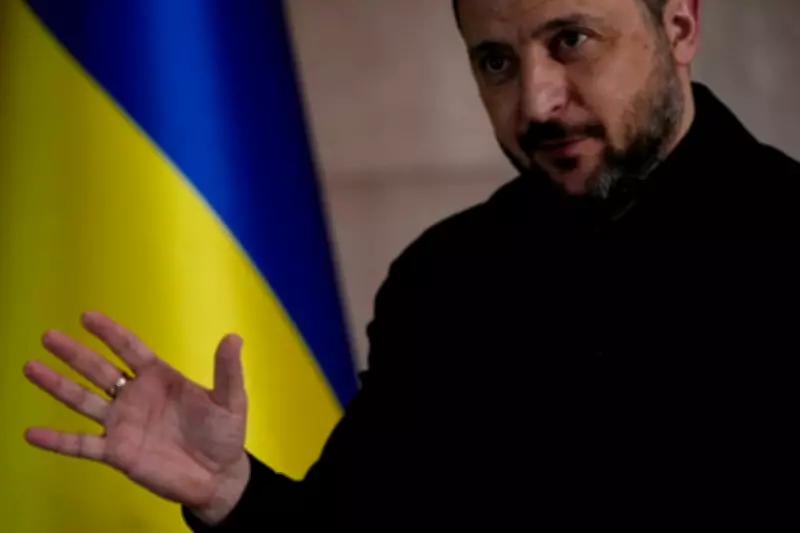
Ukrainian Leader Voices Concerns Over Geopolitical Priorities
In a candid interview with The Associated Press conducted in Istanbul, Turkey, on April 4, 2026, Ukrainian President Volodymyr Zelenskyy issued a stark warning about the potential consequences of a prolonged Middle East conflict. The president articulated that such a situation could significantly diminish international support for Ukraine as it continues to defend itself against Russian aggression.
Diverted Attention and Resources
Zelenskyy emphasized that global focus and financial aid might shift away from Eastern Europe if hostilities in the Middle East escalate and persist. This redirection could critically impact Ukraine's military capabilities and humanitarian needs, which have relied heavily on assistance from Western allies since the invasion began. The interview highlighted the interconnected nature of modern geopolitical crises, where conflicts in one region can directly influence outcomes in another.
Strategic Implications for Ukraine
The Ukrainian president's remarks underscore the fragile balance of international diplomacy and aid distribution. With resources finite, a new or extended war zone often commands immediate attention, potentially leaving existing conflicts like Ukraine's with reduced backing. Zelenskyy pointed out that sustained support is crucial not only for battlefield success but also for post-war reconstruction efforts, which are already being planned despite ongoing fighting.

Broader Context of the Interview
Conducted against a backdrop of global instability, the discussion also touched upon Ukraine's resilience and strategic partnerships. Zelenskyy reaffirmed his nation's commitment to sovereignty while acknowledging the challenges posed by competing global crises. The timing of this interview is particularly poignant, as it comes amid heightened tensions in multiple regions, testing the international community's capacity to address simultaneous emergencies effectively.
This development serves as a reminder of the complex dynamics shaping contemporary warfare and international relations, where regional conflicts are rarely isolated events but rather parts of a larger, interconnected geopolitical puzzle.






