

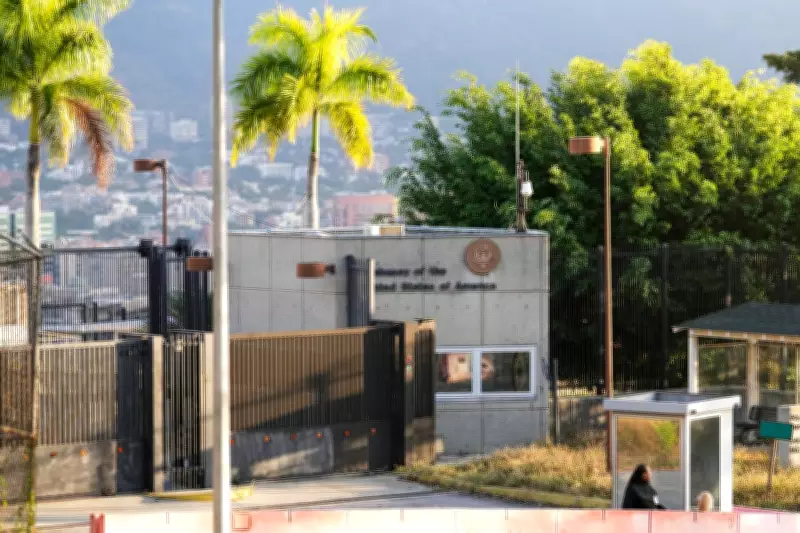
U.S. Reopens Embassy in Venezuela Following Military Operation Against Maduro
The United States has officially reopened its embassy in Caracas, Venezuela, marking a significant diplomatic shift months after a military operation was conducted with the objective of removing President Nicolás Maduro from power. This move signals a potential thaw in the long-strained relations between the two nations, which have been characterized by intense political and economic tensions over recent years.
Background of the Diplomatic Rift
The embassy had been closed for an extended period due to escalating conflicts and security concerns, culminating in a U.S.-led military intervention earlier this year aimed at ousting Maduro's government. That operation, which drew international attention and controversy, was part of broader efforts to address the political crisis in Venezuela, where Maduro has faced accusations of authoritarian rule and human rights abuses from the U.S. and other Western countries.
The reopening process involves reestablishing full diplomatic services, including consular support for American citizens and visa processing for Venezuelans. It represents a cautious step toward normalization, though underlying issues such as economic sanctions and political disagreements remain unresolved. Analysts suggest this could pave the way for future negotiations or aid initiatives, but warn that challenges persist in achieving stable bilateral relations.

Implications for Regional Stability
This development is closely watched by regional allies and global observers, as it may influence Venezuela's internal politics and its interactions with other Latin American countries. The embassy's reactivation could facilitate increased dialogue on critical matters like humanitarian aid, migration, and energy cooperation, which have been hampered by the prior diplomatic freeze.
However, the situation remains delicate, with Maduro's government likely to view the move with skepticism given the history of U.S. opposition. The military operation earlier this year has left a legacy of distrust, and any progress will depend on continued diplomatic efforts and confidence-building measures from both sides.
In summary, the reopening of the U.S. Embassy in Venezuela is a notable event in international diplomacy, reflecting ongoing attempts to mend ties after a period of intense conflict. While it offers a glimmer of hope for improved relations, the path forward is fraught with complexities that will require careful navigation to ensure lasting peace and cooperation in the region.






