

American Journalist Abducted in Baghdad Despite Repeated Threat Warnings
An American freelance journalist working in Iraq was kidnapped in Baghdad this week after receiving multiple warnings about specific threats against her safety, according to statements from both Iraqi and United States officials. The incident has raised serious concerns about journalist security in conflict zones and the effectiveness of threat assessment protocols.
Details of the Abduction
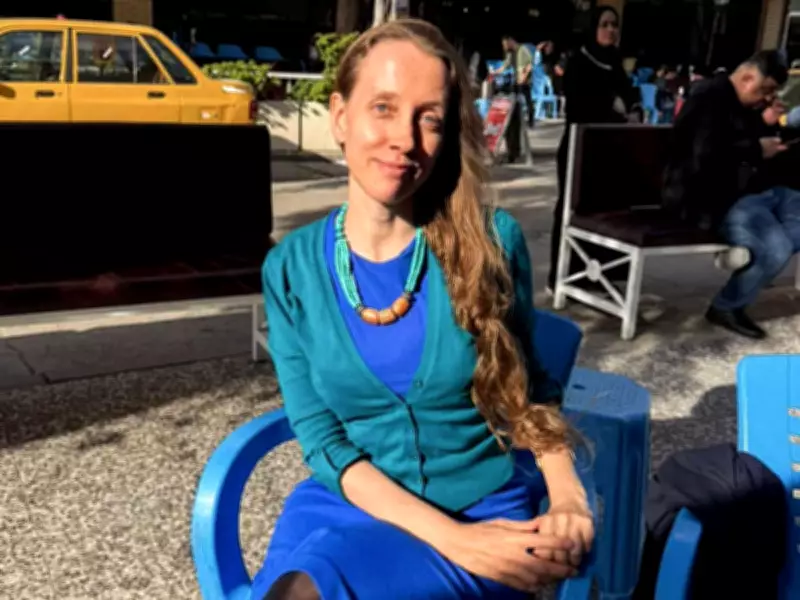
Shelly Kittleson, a 49-year-old experienced reporter originally from Wisconsin, was forcibly taken by two men at a busy intersection in Baghdad on Tuesday. Surveillance footage obtained by The Associated Press shows a car slowly approaching a person standing on a street corner, with two men walking behind it. Within seconds, the two men forced the individual into the back of the vehicle before driving away.
Kittleson has worked extensively in Iraq and Syria over several years, typically residing in Rome between assignments. She had recently entered Iraq using a 60-day, single-entry visa issued specifically for foreign citizens stranded in neighboring countries who need to transit through Iraq to reach their home countries via available transport routes.

Prior Warnings Ignored
According to an unnamed Iraqi intelligence official who spoke to The Associated Press, Iraqi authorities had notified U.S. officials of a specific kidnapping threat against Kittleson by Iran-affiliated militias before the incident occurred. A U.S. official confirmed that Kittleson had been contacted "multiple times with warnings of the threats against her."
Despite these warnings, Kittleson reportedly told a friend she didn't believe the threat was credible. This assessment proved tragically incorrect when she was abducted just days after arriving in Baghdad, where she was staying at a hotel in the capital city.
Official Responses and Investigation
The U.S. State Department issued a statement confirming the abduction of an American journalist without specifically naming Kittleson. Dylan Johnson, assistant secretary of state for global public affairs, stated on social media platform X: "The State Department previously fulfilled our duty to warn this individual of threats against them and we will continue to co-ordinate with the FBI to ensure their release as quickly as possible."
Iraqi authorities responded quickly to the abduction, intercepting a car after it crashed at the scene and arresting one suspect. However, a second vehicle containing Kittleson and other suspects managed to flee from the area. An Iraqi intelligence official speaking anonymously indicated that authorities believe she is being held somewhere in Baghdad and are actively working to locate her and secure her release.
Background and Security Context
Kittleson had attempted to enter Iraq from Syria earlier in March but was denied entry because she lacked the proper work permit and due to security concerns as conflict escalated in Iran. She later obtained the necessary visa to enter Iraq legally.
U.S. officials believe the kidnapping was carried out by Kataib Hezballah, a suspected Iranian-backed Iraqi armed group. Iran-backed militias in Iraq have launched regular attacks on U.S. facilities in the country since the beginning of the U.S.-Israeli war on Iran, creating a dangerous environment for American citizens working in the region.
The incident highlights the ongoing security challenges facing journalists working in conflict zones, particularly those covering tensions involving Iran and its proxy forces in the Middle East. It also raises questions about how threat warnings are communicated to at-risk individuals and what additional protective measures might be necessary for journalists operating in high-risk environments.






