

U.S. and Iranian Officials Launch Mediated Talks in Pakistan Despite Persistent Disagreements
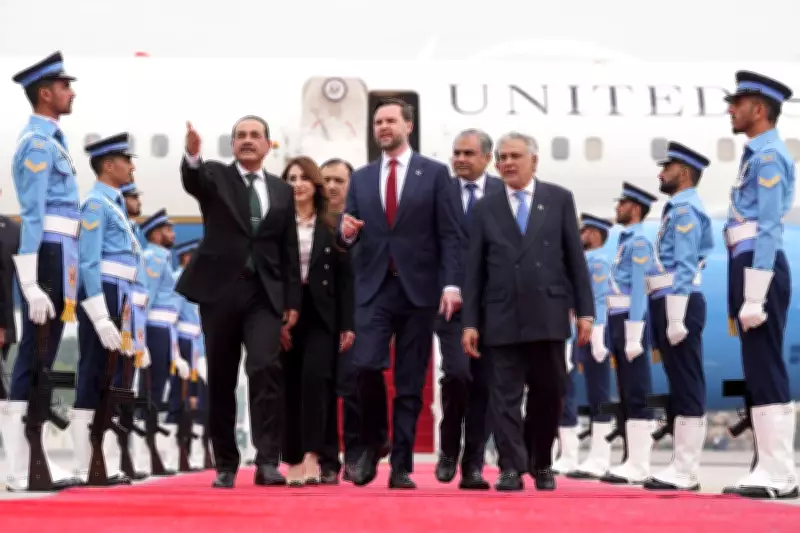
In a significant diplomatic development, high-level representatives from the United States and Iran have initiated formal talks in Islamabad, Pakistan, with mediators working to bridge the substantial gaps between the two nations. The discussions, which began on Saturday, April 11, 2026, mark a renewed effort to address longstanding conflicts in the Middle East, even as fundamental disagreements continue to pose challenges.
Key Participants and Setting
The talks feature U.S. Vice President JD Vance leading the American delegation, while Iranian officials, whose specific names were not disclosed in the initial report, represent Tehran's interests. The negotiations are being hosted by Pakistan, with Chief of Defence Forces and Chief of Army Staff Field Marshall Asim Munir and Deputy Prime Minister and Foreign Minister Mohammad Ishaq Dar playing central roles in facilitating the dialogue. The meeting took place in Islamabad, underscoring Pakistan's strategic position as a neutral mediator in regional affairs.
Despite the optimistic tone of the opening sessions, sources indicate that deep-seated issues remain unresolved. These include disputes over nuclear proliferation, regional security concerns, and economic sanctions, which have historically fueled tensions between Washington and Tehran. The presence of mediators is seen as crucial to maintaining momentum and preventing early breakdowns in communication.

Context and Implications
This round of talks occurs against a backdrop of escalating Middle East conflicts, with both nations seeking to assert their influence while avoiding direct military confrontation. The involvement of Pakistan as a mediator highlights its diplomatic clout and desire to stabilize the region, which has been plagued by violence and political instability for decades.
Analysts note that while the talks represent a positive step toward de-escalation, success is far from guaranteed. Previous negotiations have often stalled due to mutual distrust and conflicting geopolitical agendas. However, the current initiative signals a willingness to engage in dialogue, which could pave the way for incremental progress on smaller, more manageable issues before tackling core disagreements.
Challenges and Prospects
The primary obstacles to a comprehensive agreement include:
- Divergent views on Iran's nuclear program and compliance with international agreements.
- U.S. sanctions impacting Iran's economy and regional activities.
- Conflicting interests in Middle Eastern conflicts, such as those in Syria and Yemen.
- Historical animosities and lack of diplomatic relations between the two countries.
Despite these hurdles, the talks have generated cautious optimism among international observers. If successful, they could lead to reduced tensions, enhanced regional security, and potential economic benefits for both nations. However, failure could exacerbate existing conflicts and further destabilize the Middle East.
The outcome of these discussions will likely influence global diplomatic efforts and set a precedent for future negotiations involving adversarial states. As the talks progress, the role of mediators will be critical in fostering compromise and ensuring that both sides remain committed to the dialogue process.






