

U.S. and Iran May Return to Islamabad for Further Talks This Weekend
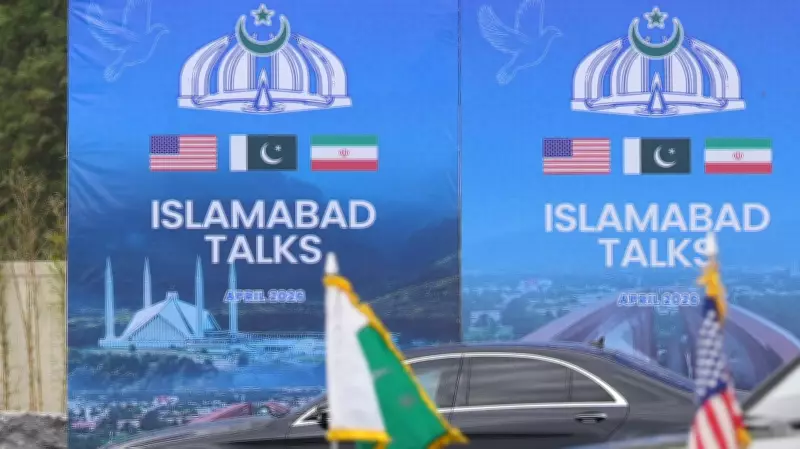
Negotiating teams from the United States and Iran could return to Islamabad later this week, according to five sources who spoke on Tuesday. This potential development comes just days after the highest-level talks between the two nations in decades concluded without a significant breakthrough.
Timing and Logistics of the Proposed Meeting
A source directly involved in the discussions indicated that while a specific date has not been finalized, both countries are considering a return as early as the end of this week. "No firm date has been set, with the delegations keeping Friday through Sunday open," a senior Iranian source elaborated. Two Pakistani sources with knowledge of the negotiations confirmed that Islamabad is actively communicating with both sides regarding the timing of the next round, suggesting the meeting is likely to occur over the weekend.
Background of the Recent High-Level Engagement
The weekend meeting in Pakistan's capital, which took place four days after a ceasefire announcement last Tuesday, marked the first direct encounter between U.S. and Iranian officials in more than a decade. It also represented the most senior diplomatic engagement since Iran's 1979 Islamic Revolution. A proposal has been shared with both the U.S. and Iran to resend their delegates to resume these critical talks, the first source noted.

"We have reached out to Iran and we got a positive response that they will be open to a second round of talks," a senior Pakistani government official stated. However, Pakistan's foreign ministry, military, and prime minister's office did not respond to requests for comment, and the White House also remained silent on the matter.
Key Issues and Leadership Involved
In the previous round of talks, U.S. Vice President JD Vance and Iranian Parliamentary Speaker Mohammad Baqer Qalibaf led their respective delegations. The discussions aimed to address a range of contentious issues, including:
- The Strait of Hormuz, a major global energy transit point that Iran has effectively blocked, but the U.S. has vowed to reopen.
- Iran's nuclear program, a long-standing point of international concern.
- International sanctions imposed on Tehran, which have significantly impacted its economy.
Following the talks, Vice President Vance told reporters, "We leave here with a very simple proposal, a method of understanding that is our final and best offer. We'll see if the Iranians accept it." This statement underscores the high stakes and delicate nature of the negotiations, which could have profound implications for regional stability and global energy markets.
The potential resumption of talks highlights ongoing diplomatic efforts to de-escalate tensions, with Pakistan playing a crucial mediating role. Observers are closely watching for any signs of progress, particularly regarding the Strait of Hormuz and nuclear safeguards, as the international community seeks a peaceful resolution to these complex geopolitical challenges.






