

Trump's Unexpected Pearl Harbor Comment to Japanese Prime Minister Creates Tense Diplomatic Moment
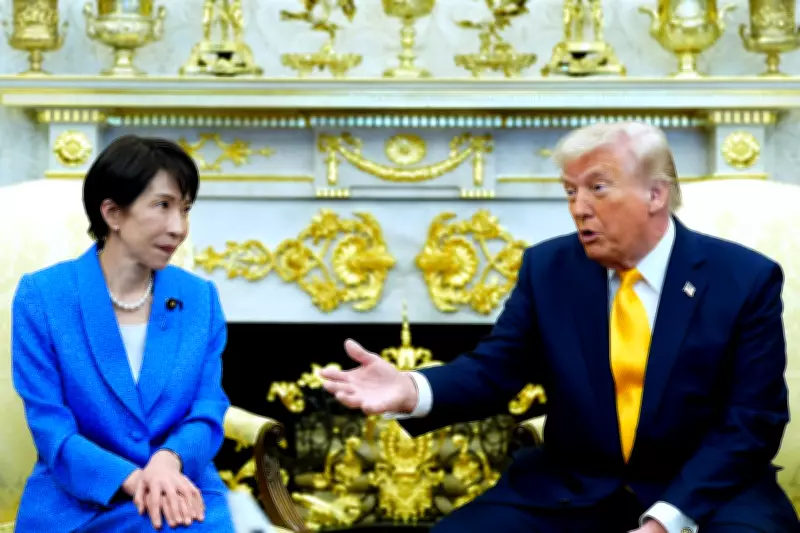
In a stunning diplomatic incident that left attendees speechless, former U.S. President Donald Trump made a surprising reference to Pearl Harbor while addressing Japanese Prime Minister Sanae Takaichi during a high-level meeting in March 2026. The controversial remark, which occurred during discussions about international relations, prompted an immediate and profound silence throughout the room as officials processed the unexpected historical allusion.
The Context of the Controversial Statement
According to multiple sources present at the gathering, President Trump posed a rhetorical question to Prime Minister Takaichi regarding surprise attacks, specifically invoking the memory of the December 7, 1941, Japanese assault on the U.S. naval base at Pearl Harbor. The comment, delivered during what was supposed to be a routine diplomatic exchange, created palpable discomfort among both American and Japanese delegations.
The room reportedly fell completely silent for an extended period following the statement, with officials exchanging uneasy glances as they contemplated the implications of referencing one of the most sensitive moments in U.S.-Japan relations. The incident occurred against the backdrop of ongoing discussions about security cooperation between the two nations, making the historical reference particularly jarring to those in attendance.

Diplomatic Ramifications and Reactions
While neither the White House nor the Japanese government issued immediate official statements regarding the exchange, diplomatic analysts suggest the comment could potentially strain the carefully cultivated post-war relationship between the United States and Japan. The Pearl Harbor attack, which killed 2,403 Americans and precipitated U.S. entry into World War II, remains a delicate subject in bilateral discussions despite the countries' subsequent alliance.
"References to Pearl Harbor in diplomatic settings require extreme sensitivity," noted one Asia-Pacific relations expert who requested anonymity. "Even decades after the event, it represents a traumatic chapter in both nations' histories that continues to shape how they approach security discussions."
The incident occurred during Prime Minister Takaichi's visit to Washington, which was intended to strengthen economic and security ties between the two Pacific powers. Japanese officials have worked diligently in recent years to balance their security relationship with the United States against growing regional challenges, making any diplomatic friction particularly concerning for Tokyo's foreign policy establishment.
Historical Context and Modern Diplomacy
The United States and Japan have developed one of the world's most important bilateral relationships since the end of World War II, with the security alliance serving as a cornerstone of stability in the Asia-Pacific region. Previous American presidents have generally avoided direct references to Pearl Harbor in diplomatic settings with Japanese counterparts, instead emphasizing the countries' shared democratic values and mutual security interests.
President Trump's approach to diplomacy has frequently emphasized unconventional rhetoric and unexpected statements, but this particular comment represents one of the more historically charged moments of his political career. The incident raises questions about how historical memory intersects with contemporary statecraft, particularly when dealing with nations that have complex shared histories.
As diplomatic observers continue to analyze the implications of this exchange, the incident serves as a reminder of how quickly historical references can alter the tone of international discussions. The long-term impact on U.S.-Japan relations remains uncertain, but the immediate effect was clearly one of profound discomfort among those privileged to witness this unusual diplomatic moment firsthand.






