

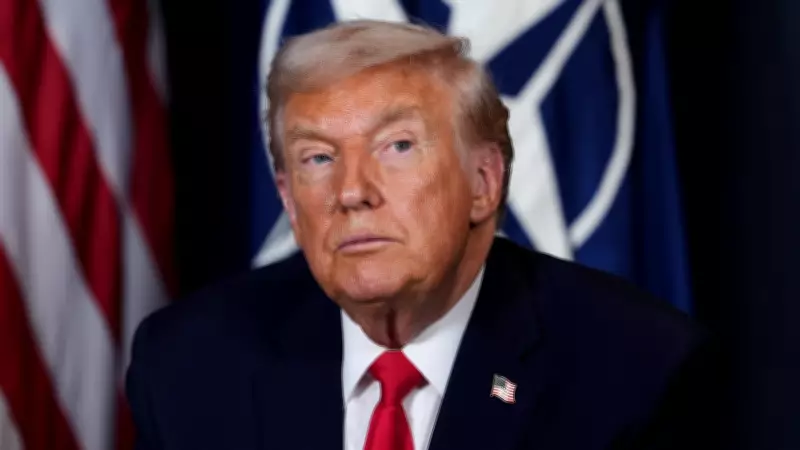
Trump's NATO Withdrawal Threat: A Significant Shift in U.S. Foreign Policy
Former United States President Donald Trump has once again stirred international controversy by threatening to pull the U.S. out of the North Atlantic Treaty Organization (NATO). This declaration comes as he simultaneously announced plans to declare "mission accomplished" in Iran, creating a complex geopolitical landscape that analysts are scrambling to interpret.
The Context of Trump's Comments
Trump's remarks represent a continuation of his longstanding criticism of NATO, which he has frequently labeled as "obsolete" and unfair to American interests. During his presidency, he repeatedly questioned the alliance's value and pressured member nations to increase their defense spending. Now, with these latest threats, he has reignited debates about America's commitment to its traditional allies.
The timing is particularly significant as global tensions remain high following conflicts in Ukraine and the Middle East. NATO, founded in 1949 as a collective defense pact, has been a cornerstone of transatlantic security for over seven decades. Any potential U.S. withdrawal would fundamentally alter the balance of power in Europe and beyond.

Why These Threats Matter
Several factors make Trump's comments especially noteworthy:
- Precedent-Setting Potential: No U.S. president has seriously threatened to leave NATO since its inception. Such a move would break with seventy-five years of bipartisan foreign policy consensus.
- Global Security Implications: NATO's deterrence capability relies heavily on American military might. A U.S. exit could embolden adversaries and destabilize regions where the alliance maintains a presence.
- Alliance Cohesion: Trump's criticism has already strained relations with European partners. Explicit withdrawal threats could fracture the unity that has been NATO's greatest strength.
- Domestic Political Impact: The statement comes amid a heated U.S. election cycle, positioning foreign policy as a central campaign issue with real consequences for international relations.
The Broader Geopolitical Picture
Trump's dual focus on NATO and Iran creates a multifaceted foreign policy challenge. By declaring "mission accomplished" in Iran—a phrase famously used prematurely by President George W. Bush regarding Iraq—he suggests a major shift in Middle East policy even as he questions America's European alliances.
This approach reflects Trump's "America First" philosophy, which prioritizes unilateral action over multilateral cooperation. However, critics argue that abandoning NATO would undermine U.S. influence globally and create power vacuums that adversaries might exploit.
European leaders have responded with concern, emphasizing NATO's continued relevance in countering threats from Russia and terrorist organizations. The alliance has adapted to new challenges in recent years, including cybersecurity threats and hybrid warfare, making American participation arguably more valuable than ever.
Looking Ahead
While Trump's comments may be partly rhetorical, they underscore a genuine tension in U.S. foreign policy between international engagement and nationalist retrenchment. The possibility of a NATO withdrawal—however remote—forces allies to consider contingency plans and reevaluate their own defense capabilities.
As global uncertainties multiply, from climate change to technological competition, the value of collective security arrangements like NATO becomes increasingly apparent. Whether Trump's threats translate into action remains to be seen, but they have undoubtedly injected new volatility into an already unstable international order.






