

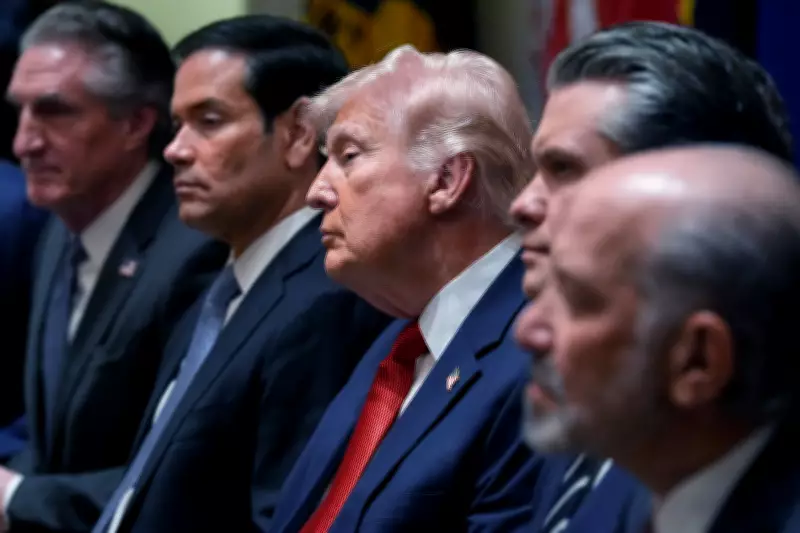
Trump Floats Potential U.S. Withdrawal from NATO, Dismisses Alliance as 'Paper Tiger'
In a provocative statement that has sent shockwaves through international diplomatic circles, former U.S. President Donald Trump has suggested the United States is actively considering leaving the North Atlantic Treaty Organization. The controversial political figure characterized the decades-old defense alliance as a "paper tiger" during his latest public remarks, questioning its effectiveness and value to American interests.
Questioning NATO's Relevance and Effectiveness
The North Atlantic Treaty Organization, established in 1949 as a collective defense pact between North American and European nations, has long been considered a cornerstone of transatlantic security. Trump's comments represent a significant departure from traditional U.S. foreign policy positions that have consistently supported the alliance through multiple administrations of both major political parties.
"We're looking at it very seriously," Trump reportedly stated regarding potential U.S. withdrawal from the treaty organization. "When I look at what we're getting versus what we're giving, it doesn't make sense for American taxpayers."

Historical Context of Trump's NATO Skepticism
This is not the first instance of Trump expressing skepticism about NATO's value. During his presidency from 2017 to 2021, he frequently criticized member nations for what he perceived as insufficient defense spending, often characterizing European allies as taking advantage of American military protection without adequate financial contribution.
The "paper tiger" characterization suggests Trump views the alliance as appearing formidable on paper but lacking in actual substance or effectiveness when tested. This language echoes similar criticisms he has leveled against other international organizations and agreements throughout his political career.
Potential Implications for Global Security Architecture
Security analysts have expressed deep concern about the potential consequences of a U.S. withdrawal from NATO. Such a move would fundamentally reshape the global security landscape that has remained relatively stable since the end of the Cold War. European nations that have relied on American security guarantees for generations would need to rapidly reassess their defense capabilities and strategic positioning.
"The suggestion that the United States might abandon NATO represents one of the most significant potential shifts in international relations in decades," noted one European security analyst who requested anonymity due to the sensitivity of the topic. "It would force a complete rethinking of defense arrangements across the continent and potentially embolden adversaries who have long viewed NATO unity as their primary obstacle."
Political Reactions and Domestic Implications
The statement has already generated strong reactions from both sides of the American political spectrum. Traditional foreign policy experts within Trump's own Republican party have historically been strong supporters of NATO, viewing it as essential to maintaining global stability and American influence abroad.
Meanwhile, Democratic leaders have seized on the comments as evidence of what they characterize as a dangerous isolationist tendency within certain segments of the Republican party. The Biden administration has repeatedly reaffirmed America's "ironclad" commitment to NATO since taking office in 2021.
Looking Ahead: Uncertain Future for Transatlantic Relations
As the 2024 presidential election approaches, Trump's position on NATO is likely to become a significant point of debate in American foreign policy discussions. His suggestion that the U.S. might withdraw from the alliance represents a potential major shift in how America engages with traditional allies and approaches collective security arrangements.
The coming months will reveal whether these comments represent mere political rhetoric or signal a genuine policy direction that could dramatically alter America's role in the world and the fundamental architecture of international security that has prevailed for over seventy years.






