

Trump Voices Displeasure with NATO Over Strait of Hormuz Security
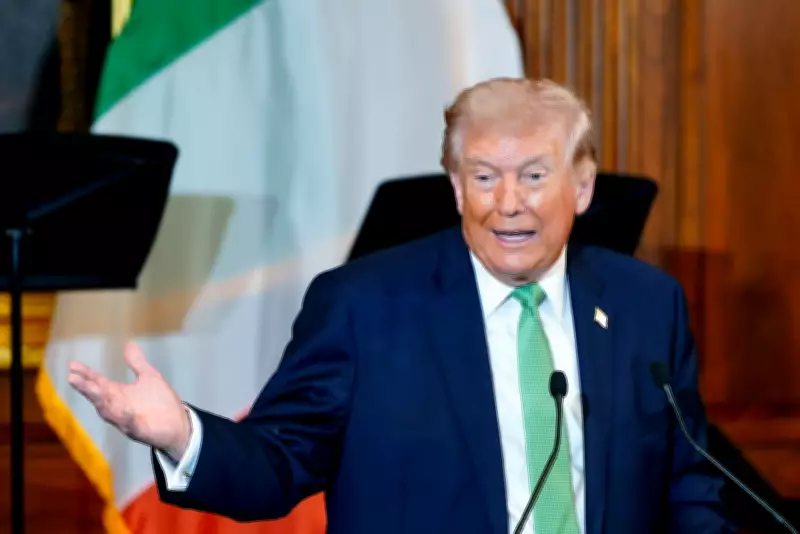
In a recent development, former U.S. President Donald Trump has publicly criticized NATO member nations for their refusal to contribute to efforts aimed at securing the strategic Strait of Hormuz. During a speech at a St. Patrick's Day event in Washington, D.C., Trump emphasized that the United States does not require external assistance to manage security in this critical maritime region.
Context of the Strait of Hormuz Tensions
The Strait of Hormuz is a vital chokepoint for global oil shipments, and its security has been a persistent concern amid ongoing conflicts in the Middle East. Trump's comments come at a time when international shipping routes are increasingly disrupted by regional hostilities, particularly involving Iran. He argued that NATO's lack of support undermines collective defense agreements, while asserting American capability to handle such challenges independently.
Broader Implications for U.S. Foreign Policy
This stance reflects a continuation of Trump's long-standing skepticism towards multilateral alliances, which he often views as burdensome to U.S. interests. By declaring that the U.S. needs no help, he reinforces a narrative of American self-sufficiency in defense matters. However, experts note that this approach could strain diplomatic relations with key allies and complicate coordinated responses to global security threats.

The remarks were made during a Friends of Ireland luncheon honoring Irish Prime Minister Micheál Martin, highlighting how domestic political events can serve as platforms for international policy statements. As tensions in the Middle East escalate, the debate over NATO's role and U.S. leadership in securing vital waterways is likely to intensify, with potential impacts on global energy markets and geopolitical stability.






