

Trump Postpones China Visit to Address Iran War Crisis
In a significant shift of diplomatic priorities, President Donald Trump has officially postponed his scheduled trip to China. The decision, announced on March 17, 2026, is directly linked to the escalating military conflict in Iran, which now demands the administration's full attention. This move underscores the growing international tensions that are reshaping global alliances and foreign policy agendas.
War in Iran Takes Precedence Over Diplomatic Engagements
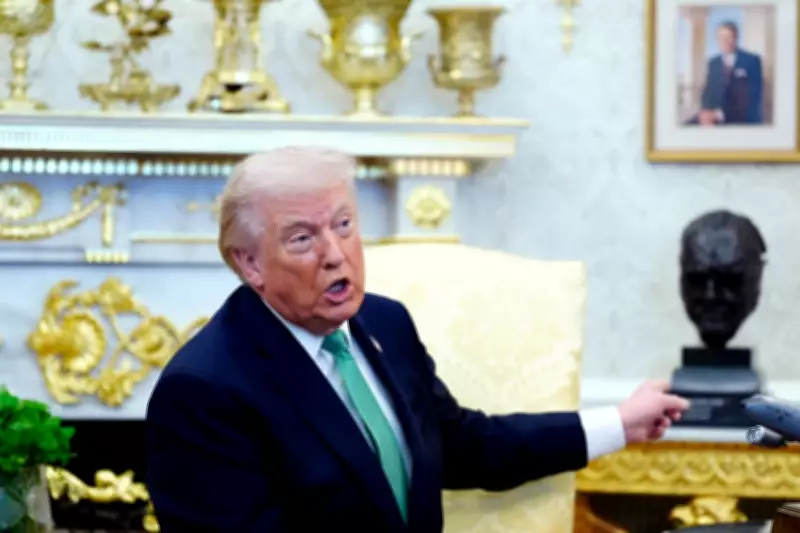
The postponement comes as the war in Iran intensifies, disrupting critical shipping routes and threatening regional stability. President Trump, speaking from the Oval Office on St. Patrick's Day, emphasized the need to focus on national security concerns. "Our immediate priority is addressing the situation in Iran," he stated, pointing to a bust of Winston Churchill during a meeting with Irish Prime Minister Micheál Martin. "We must ensure stability in the Middle East before pursuing other diplomatic engagements."
International Reactions and Canadian Stance
The conflict has drawn responses from global leaders, including Canada's Foreign Affairs Minister, who has called for "no weaponization" of the Strait of Hormuz. However, specific details regarding Canada's support or military involvement remain undisclosed. Prime Minister Carney and UK leader Keir Starmer have expressed "deep concern" over the war's impact on international trade and security, highlighting the broader geopolitical ramifications.

Meanwhile, the war-driven surge in gas prices is poised to collide with the upcoming summer driving season, potentially exacerbating economic pressures on consumers worldwide. This economic ripple effect further complicates the global response to the conflict.
Broader Implications for U.S. Foreign Policy
Analysts suggest that Trump's decision to delay the China trip reflects a recalibration of U.S. foreign policy, with the Iran conflict taking center stage. The postponement may strain U.S.-China relations, which have been delicate in recent years. Additionally, the World Anti-Doping Agency is reportedly considering a rule to bar Trump and other U.S. officials from major international events, though the feasibility of such a measure remains uncertain.
As the situation develops, the international community watches closely, with many nations urging de-escalation and diplomatic solutions to prevent further regional destabilization.






