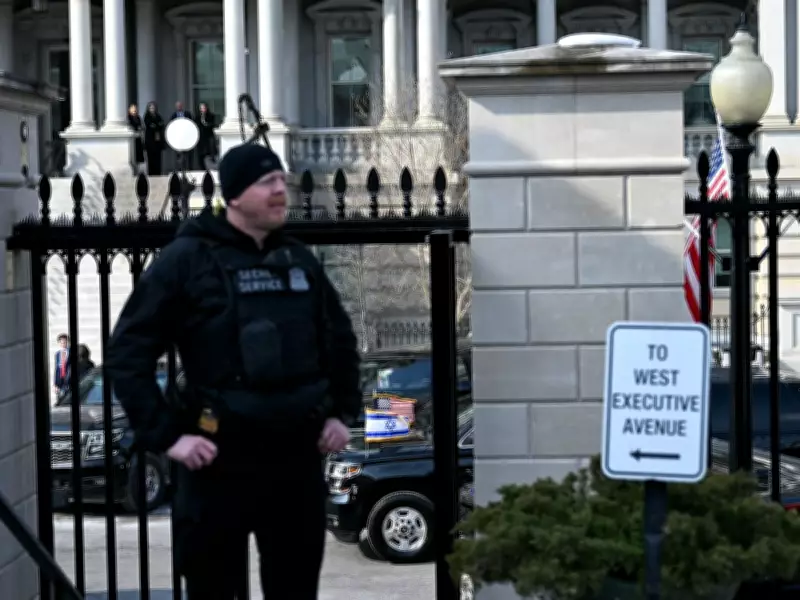
Trump and Netanyahu Hold White House Meeting on Iran Nuclear Negotiations
U.S. President Donald Trump and Israeli Prime Minister Benjamin Netanyahu convened at the White House on Wednesday for a critical discussion focused on the ongoing negotiations with Iran regarding its nuclear program. The meeting, which lasted approximately two and a half hours, marked Netanyahu's seventh visit to the United States since Trump resumed office, underscoring the importance of bilateral coordination on this pressing international issue.
Inconclusive Talks with Continued Diplomatic Pressure
Following the meeting, President Trump characterized the discussions as inconclusive but emphasized his insistence that negotiations with Iran must proceed. In a written statement, Trump noted, "There was nothing definitive reached other than I insisted that negotiations with Iran continue to see whether or not a deal can be consummated." He further explained his position to the Israeli leader, stating that reaching a diplomatic agreement would be preferable, but if that proves impossible, "we will just have to see what the outcome will be."
The U.S.-Iran talks, which began in Oman on Friday, faced significant challenges when Iran demanded relocation from the original site in Turkey and insisted on limiting discussions exclusively to its nuclear program. American officials have maintained that the negotiations should address a broader range of Iranian activities, including its harsh suppression of domestic protests.

Military Posturing and Diplomatic Warnings
Ahead of the negotiations, President Trump ordered additional U.S. military forces to deploy to the region, including the aircraft carrier USS Abraham Lincoln, which he described as leading an "armada" capable of executing military strikes against Iran if necessary. Trump referenced this military threat during his meeting with Netanyahu, recalling previous actions against Iran with his statement: "Last time Iran decided that they were better off not making a deal, and they were hit with Midnight Hammer. That did not work well for them. Hopefully this time they will be more reasonable and responsible."
In a Fox News interview on Tuesday, Trump outlined his criteria for an acceptable agreement, stating, "I'd rather make a deal that's going to be a good deal. No nuclear weapons. No missiles. No this, no that. All of the different things that you want." This position reflects the administration's comprehensive approach to addressing Iran's regional activities beyond just nuclear concerns.
Israeli Security Concerns and Regional Developments
According to the Israeli Prime Minister's Office, Netanyahu emphasized Israel's security requirements within the context of the negotiations with Iran. The official readout noted that "the prime minister emphasized the security needs of the State of Israel in the context of the negotiations," and that both leaders agreed to maintain "continued coordination and the close contact between them."
The discussions also covered regional developments, with Trump highlighting what he described as "tremendous progress" in Gaza and the wider Middle East. This broader regional context forms an important backdrop to the specific negotiations with Iran, as stability in neighboring areas influences diplomatic calculations and security considerations for both nations.
Strategic Implications and Future Prospects
The White House meeting represents a crucial moment in the complex diplomatic dance surrounding Iran's nuclear ambitions. While no definitive breakthroughs were announced, the commitment to continued negotiations signals a preference for diplomatic resolution, albeit backed by clear military preparedness. The coordination between the United States and Israel remains essential as both nations navigate the delicate balance between pursuing diplomatic solutions and maintaining security guarantees in a volatile region.

As negotiations proceed, the international community will be watching closely to see whether Iran demonstrates the "reasonableness and responsibility" that Trump referenced, or whether the diplomatic process will give way to more confrontational approaches. The outcome will have significant implications not only for Middle East stability but for global non-proliferation efforts and international security architecture.