Israel Conducts Military Strike on Tehran with U.S. Support
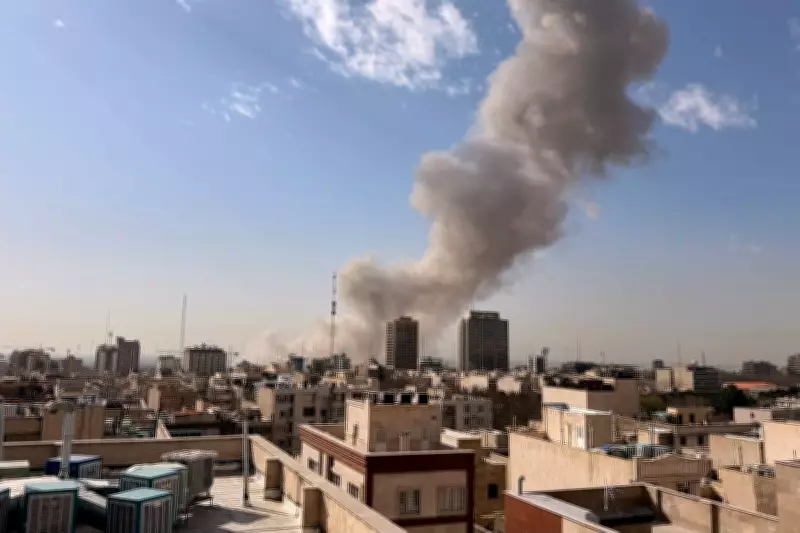
In a significant escalation of regional tensions, Israel launched a military attack on Tehran, the capital of Iran, with assistance from the United States. The operation, which occurred on February 28, 2026, resulted in visible explosions and plumes of smoke rising over the city's skyline, as captured in Associated Press photographs. This coordinated action marks a direct confrontation between the two Middle Eastern powers, with U.S. involvement underscoring the international dimensions of the conflict.
Details of the Attack and Immediate Aftermath
According to reports, the strike targeted key locations within Tehran, leading to widespread disruption and raising concerns about civilian casualties. The timing of the attack, in the early hours of the morning, suggests a strategic move to maximize impact while minimizing immediate retaliation. Iranian authorities have yet to release an official statement on the extent of the damage or any potential casualties, but eyewitness accounts describe chaotic scenes as emergency services responded to the blasts.
The involvement of the United States in supporting Israel's operation highlights the ongoing geopolitical alliances in the region. Analysts note that this attack could signal a shift in U.S. foreign policy, moving from diplomatic pressures to more direct military engagements in Middle Eastern conflicts. The collaboration between Israel and the U.S. is expected to draw condemnation from other global powers, potentially escalating into broader international disputes.

Regional and Global Implications
This attack on Iran's capital is likely to have far-reaching consequences for regional stability. Iran has historically responded to such provocations with retaliatory measures, and there are fears that this incident could spark a wider conflict involving proxy groups across the Middle East. The strike also comes amid ongoing tensions over nuclear negotiations and other diplomatic efforts, which may now be further complicated or derailed entirely.
Globally, the event raises questions about the enforcement of international laws and the role of superpowers in regional conflicts. The United Nations and other international bodies are anticipated to call for emergency sessions to address the situation, with many countries urging restraint to prevent further escalation. The attack underscores the fragile nature of peace in the region and the potential for rapid deterioration into full-scale warfare.
As the situation develops, monitoring agencies will be closely watching for responses from Iran, Israel, and the United States, as well as reactions from allied nations. The long-term impact on global security and economic stability, particularly in oil markets, remains uncertain, but immediate effects include heightened alert levels in neighboring countries and increased military preparedness.