

Saudi Arabia, Egypt, and Turkey Endorse Peace Negotiations as Middle East Conflict Intensifies
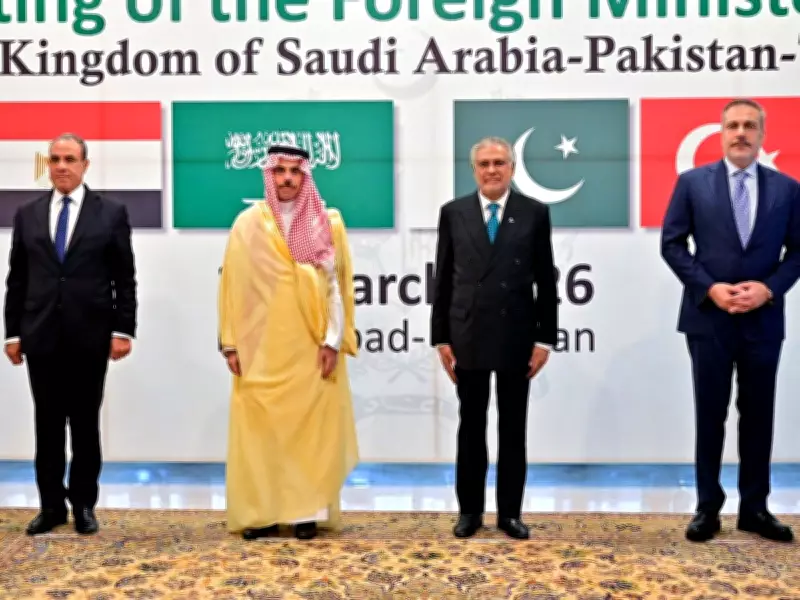
Foreign ministers from Pakistan, Saudi Arabia, Egypt, and Turkey have collectively expressed their support for U.S.-Iran peace talks, as the ongoing Middle East conflict enters its fifth week with escalating violence. The high-level diplomatic meeting took place in Islamabad on Sunday, where officials discussed the worsening situation and potential pathways toward peace.
Pakistan Offers to Host Ceasefire Negotiations
Following the meeting, Pakistan's Deputy Prime Minister and Foreign Minister Ishaq Dar announced that Pakistan would be honored to host talks aimed at establishing a ceasefire. "We have remained actively involved in all efforts and initiatives in bringing this conflict to an end," Dar stated to reporters. "We have remained actively engaged with the U.S. leadership as well in our efforts to de-escalate the situation and finding a solution to the conflict."
The foreign ministers advocated for creating conditions conducive to structured negotiations between the relevant parties, emphasizing that dialogue and diplomacy represent the only viable path to end the hostilities. This unified stance comes at a critical juncture, with the conflict showing signs of expansion and regional stability hanging in the balance.

Pakistan's Strategic Role in Peacemaking Efforts
Pakistan has emerged as a key player in efforts to broker peace, leveraging its warm ties with the United States under President Donald Trump and its longstanding relationships within the Islamic world. The country also maintains a mutual defense pact with Saudi Arabia, which has been targeted by Iranian strikes, giving Islamabad additional motivation to find a resolution and avoid being drawn into the conflict.
Pakistan's powerful army chief, Field Marshal Asim Munir, has cultivated increasingly closer ties with the Trump administration over the past year, further elevating Islamabad's position as a potential peacemaker in the crisis. This diplomatic maneuvering positions Pakistan as a bridge between conflicting parties.
Challenges and Escalating Tensions
Despite these diplomatic efforts, neither Iran nor the United States has shown significant willingness to engage in talks. President Trump has expressed a desire for negotiations but has simultaneously prepared to escalate the U.S. bombing campaign and deployed thousands of additional troops to the region.
The United States reportedly sent a 15-point ceasefire proposal to Iran through Pakistan, which Tehran rejected. Iran continues to leverage its ability to disrupt the Strait of Hormuz, a crucial waterway for global oil and gas supplies, triggering increased crude prices and gas shortages in Asia. Only a limited number of tankers from countries including China, India, and Pakistan have been granted safe passage through the strait.
Regional Diplomacy and Solidarity
Saudi Arabian Foreign Minister Prince Faisal bin Farhan Al Saud held separate meetings with Pakistan's Prime Minister Shehbaz Sharif, Foreign Minister Ishaq Dar, and National Security Adviser Muhammad Asim Malik on Sunday. In a social media post, Prime Minister Sharif expressed appreciation for Saudi Arabia's restraint during the crisis and reaffirmed Pakistan's unwavering solidarity with the kingdom.
The conflict appears to be widening, with Iranian-backed Houthi rebels in Yemen entering the war by launching ballistic missiles at Israel on Saturday, even as the United States continues to amass ground troops in the region. This expansion of hostilities underscores the urgent need for diplomatic solutions to prevent further regional destabilization.






